History & culture
A Greek-speaking village at the foot of the Llogara Pass.
Dhërmi is one of the seven Greek-speaking villages of the Himarë coast. The Ottoman empire largely left it alone; Ali Pasha tried and mostly failed to bring it under direct rule; Italian and German occupiers used the Llogara pass above as a strategic chokepoint. The village above the beach is older, quieter, and more interesting than the resort strip below it.
The two Dhërmis
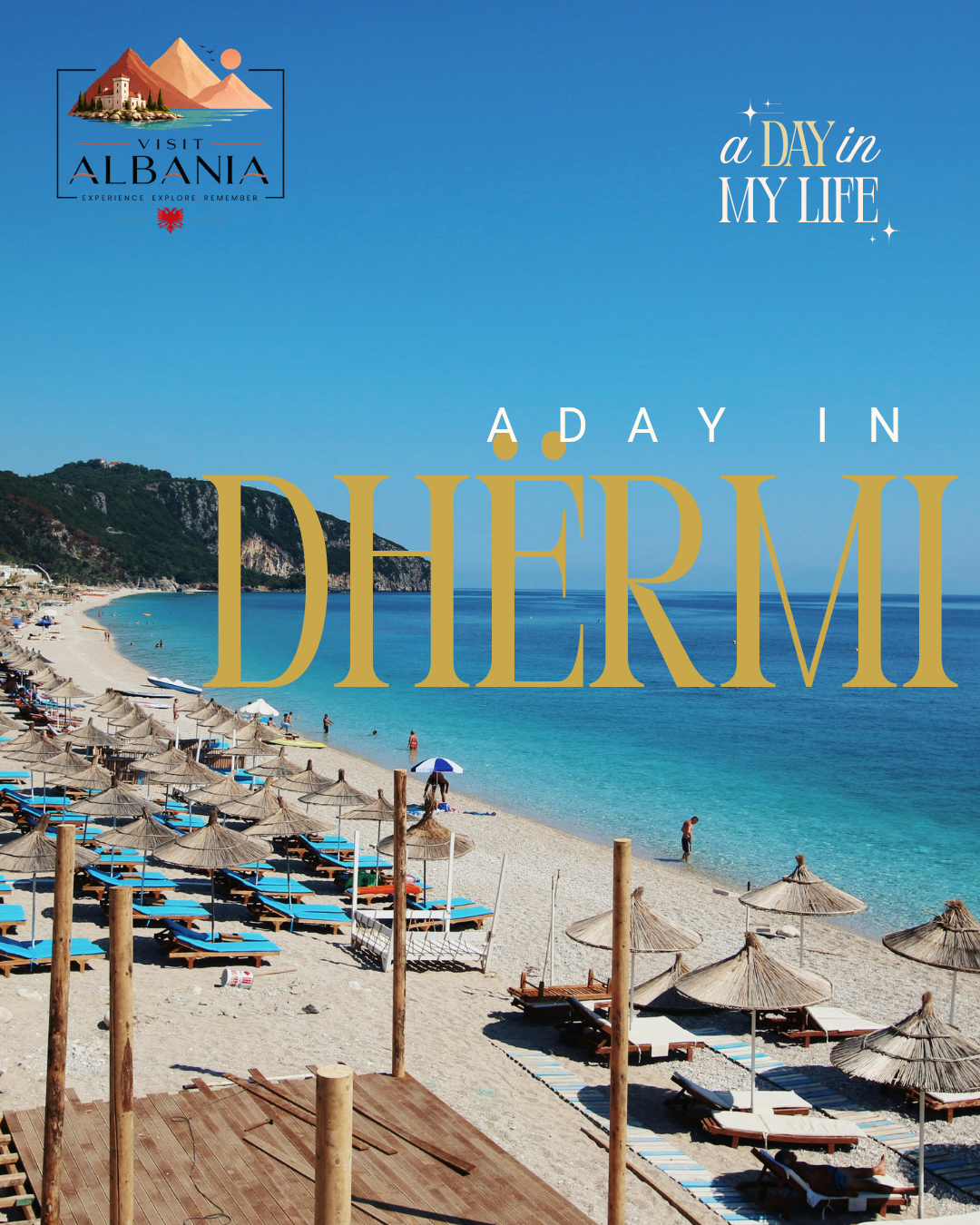
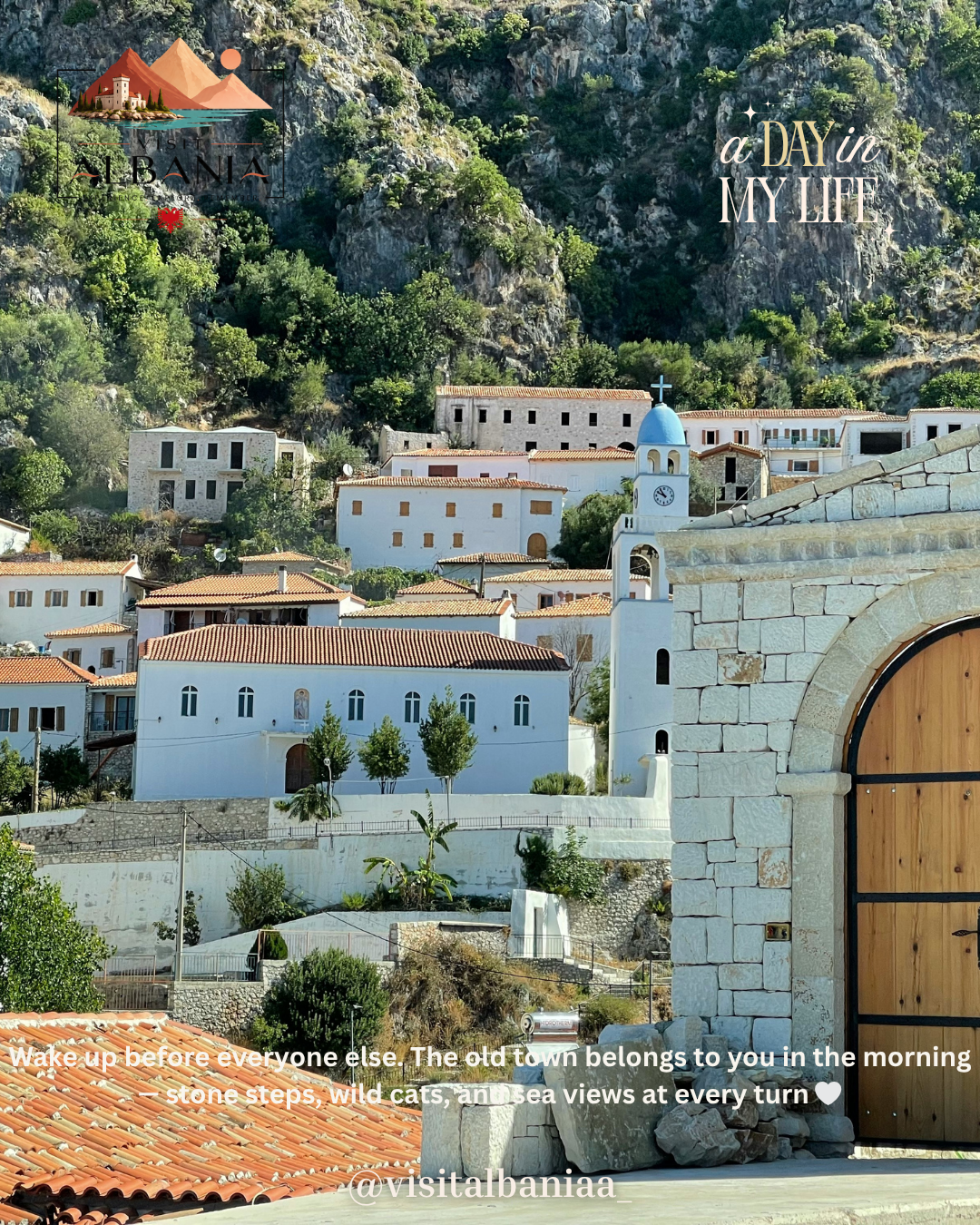
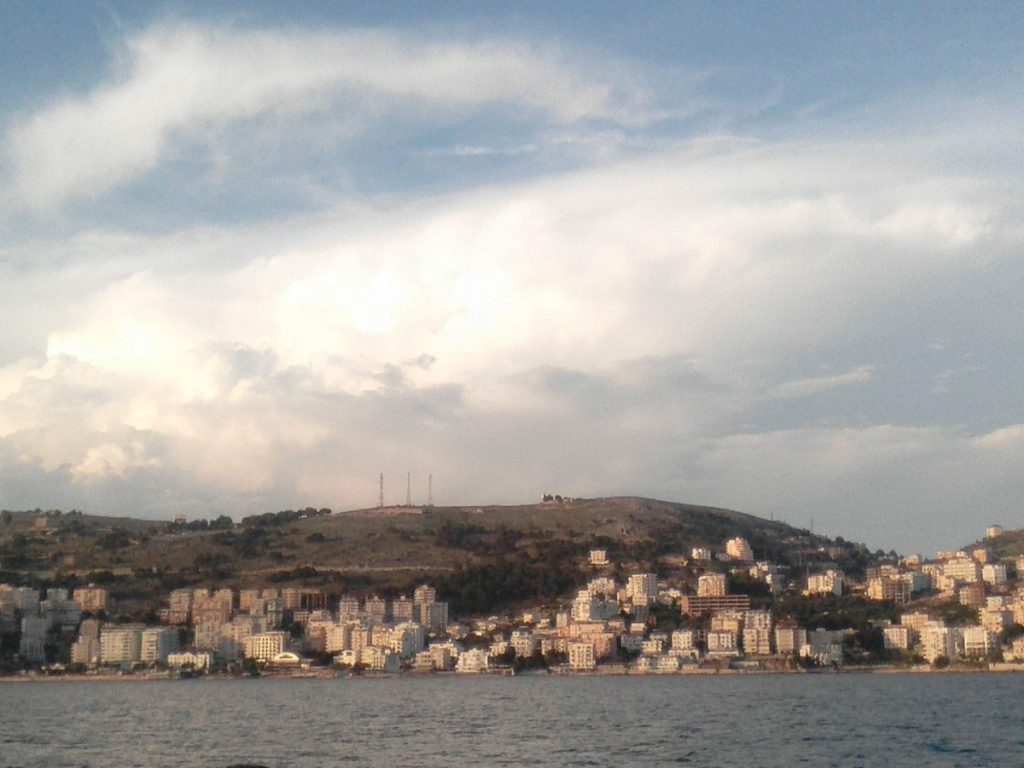
There are two Dhërmis. The old village (Dhërmiu i Vjetër) is up the hillside, white stone houses around two Orthodox churches, the older of which (Panagia/Shën Maria) is 14th-century and has frescoes inside. The new village (Dhërmiu i Ri) is down on the coast — beach clubs, hotels, the bar scene that has built up since 2000. Drive up to the old village in the evening; it is fifteen minutes by car and a different country.
The monasteries
Dhërmi has three working Orthodox monasteries within a few kilometres: Panagia (above the village), Stavridhi (just south), and Skouriou (a longer walk inland). They are small, almost always open, and rarely visited by tourists. Stavridhi has a single resident monk and a Romanesque-influenced 18th-century chapel; Skouriou is older and has frescoes datable to the 16th century.
The Llogara Pass
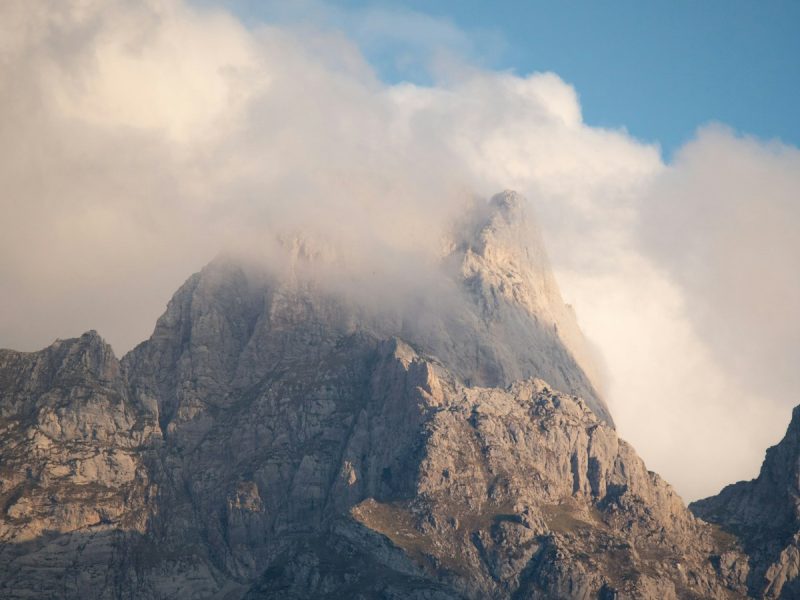
The road from Vlorë to the Riviera climbs from sea level to 1,043 m over the Llogara Pass in about 15 km of switchbacks, then drops back to the sea at Palasë just north of Dhërmi. The pass has been militarily strategic since at least the 19th century; Julius Caesar's army crossed it during the campaign against Pompey. The current road was paved in the 1970s and is the single most dramatic drive in Albania. The Llogara National Park (1,010 hectares of black pine forest) surrounds the highest section.
Why it matters today
Most visitors to Dhërmi never leave the beach. The reason to come — the village above, the monasteries, the pass — is exactly the part they miss. Hire a car for a morning, drive up to the old village, walk to one of the chapels, then come back down for lunch.
The beach is the postcard. The village above is the place.