Rent a car
Ksamil

Ksamil

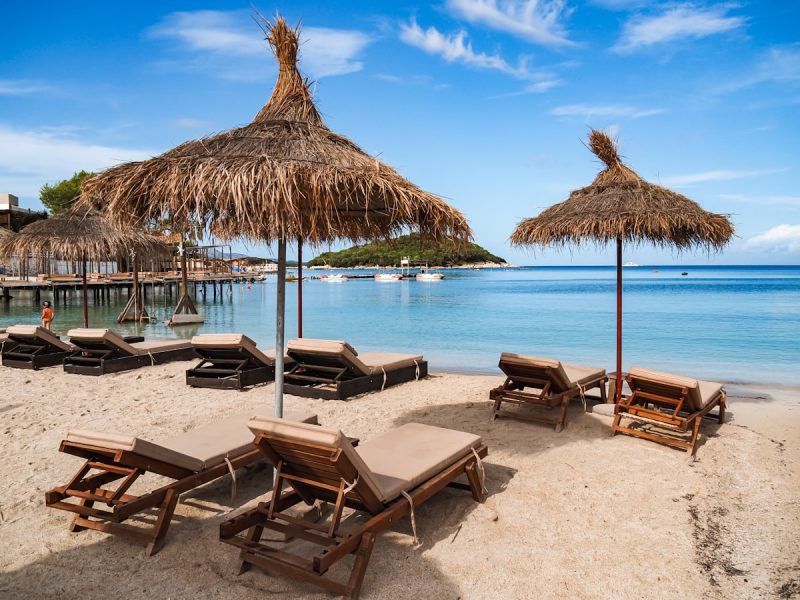
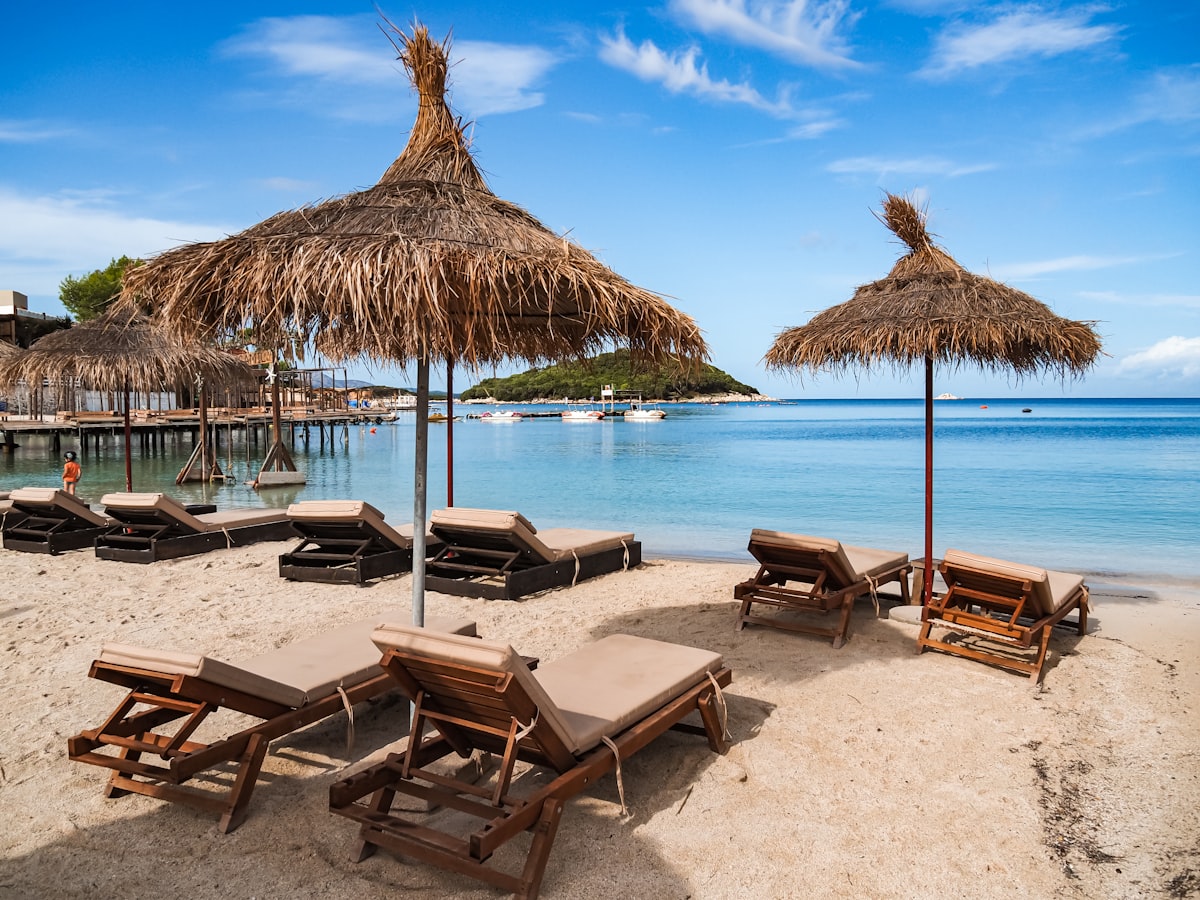
Three small islands, fifty metres from shore, in water so clear it looks edited. The Albanian Riviera at its most tropical.

Best time
Jun – Sep
Stay
2–4 nights
From Sarandë
20 min by car
Per day
€50 – €150
About KSAMIL

The islands you can swim to.

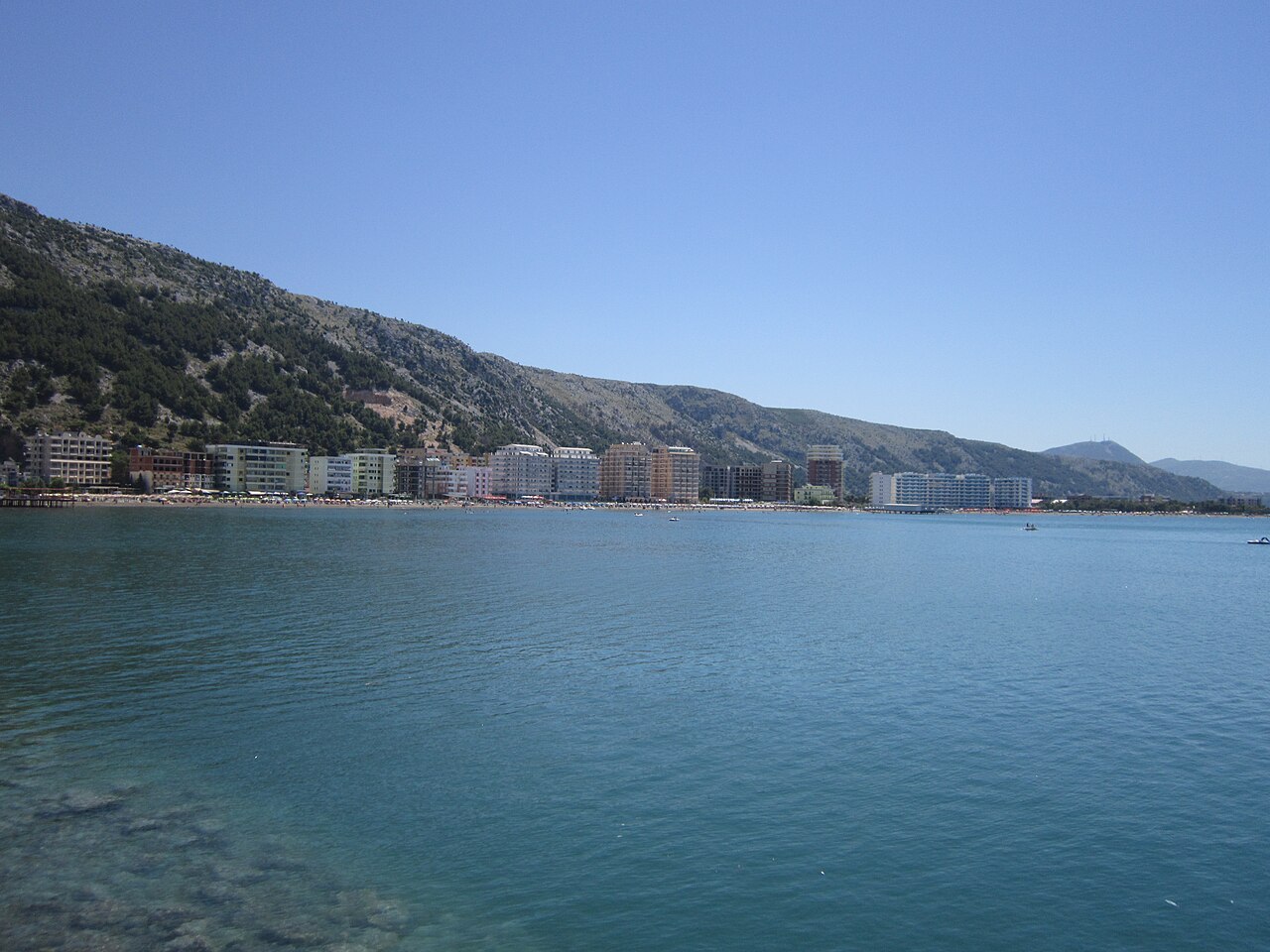
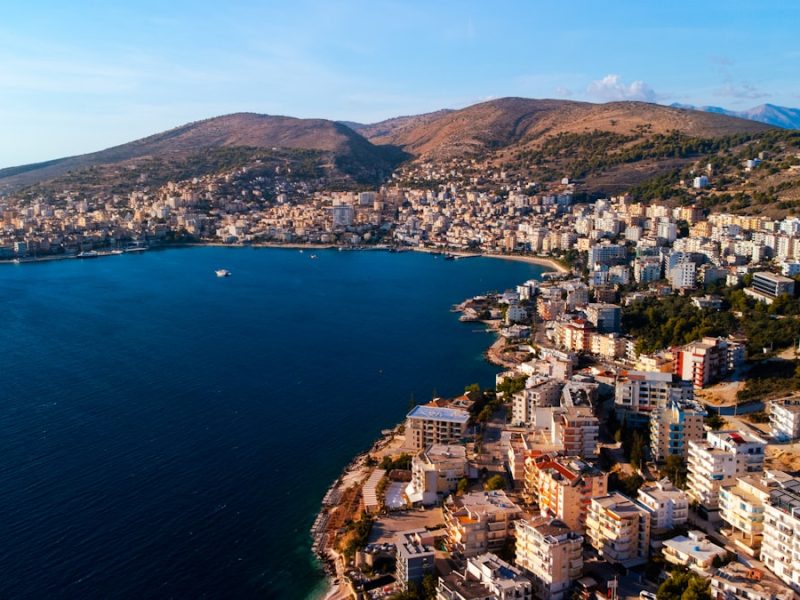
Ksamil is a village, not a town — a cluster of restaurants and small hotels around three tiny islands in a bay so sheltered it feels like a lagoon. The water here is turquoise, then jade, then clear enough to count the pebbles on the bottom. On Instagram it is called the 'Albanian Maldives'. In reality it is busier, cheaper, and more fun.

The three islands are the draw. You can rent a paddleboard or kayak, or simply swim — the closest is about fifty metres from the main beach. Two have small bars in summer; the third is just rocks and pine trees. The best time is early morning, before the day-trippers from Sarandë arrive, when the water is glass and the islands are yours.

Ksamil is not quiet in August. The beachfront restaurants are packed, the music plays, and the narrow road jams with parked cars. But the water forgives everything. Come in June or September and you'll find a different place — half-empty beaches, locals fishing from the rocks, and restaurants that remember your order from the night before.

Beach context

Read the place before you move through it.

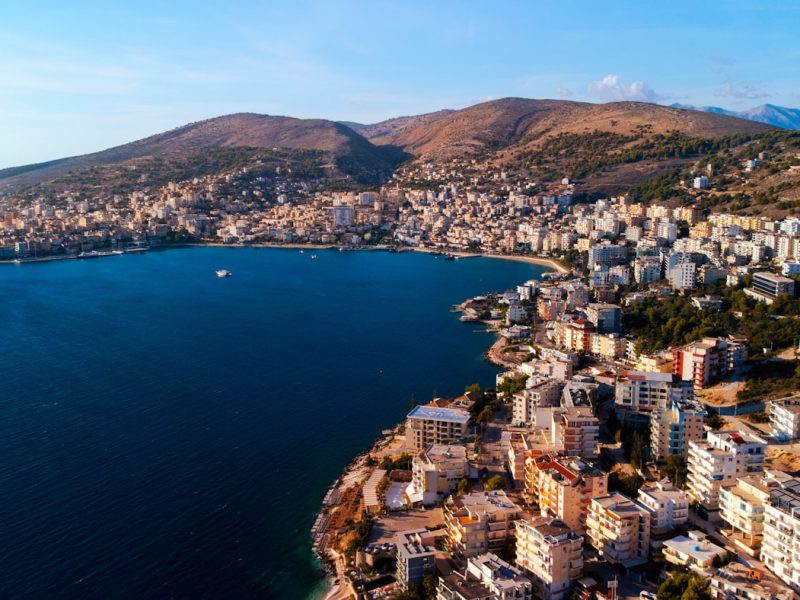
Ksamil is newer than it looks. The area grew from a state citrus collective and holiday villas into a busy beach village around small islands and water that still explains the crowds.

Related guides Culture hub
Beaches and swims
  • Main beach and islands by kayak or paddleboard.
  • Pasqyrat beaches for clearer, calmer water.
  • Butrint kayak loop for a different view of the ruins.
Day trips
  • Butrint National Park.
  • Corfu by ferry from Sarande.
  • Blue Eye spring.
Local tips
  • Avoid August if you want quiet.
  • Look for marked public beach sections.
  • Stay in Sarande if nightlife matters.
History & culture

A village invented in 1966 — next door to a 2,500-year-old city.

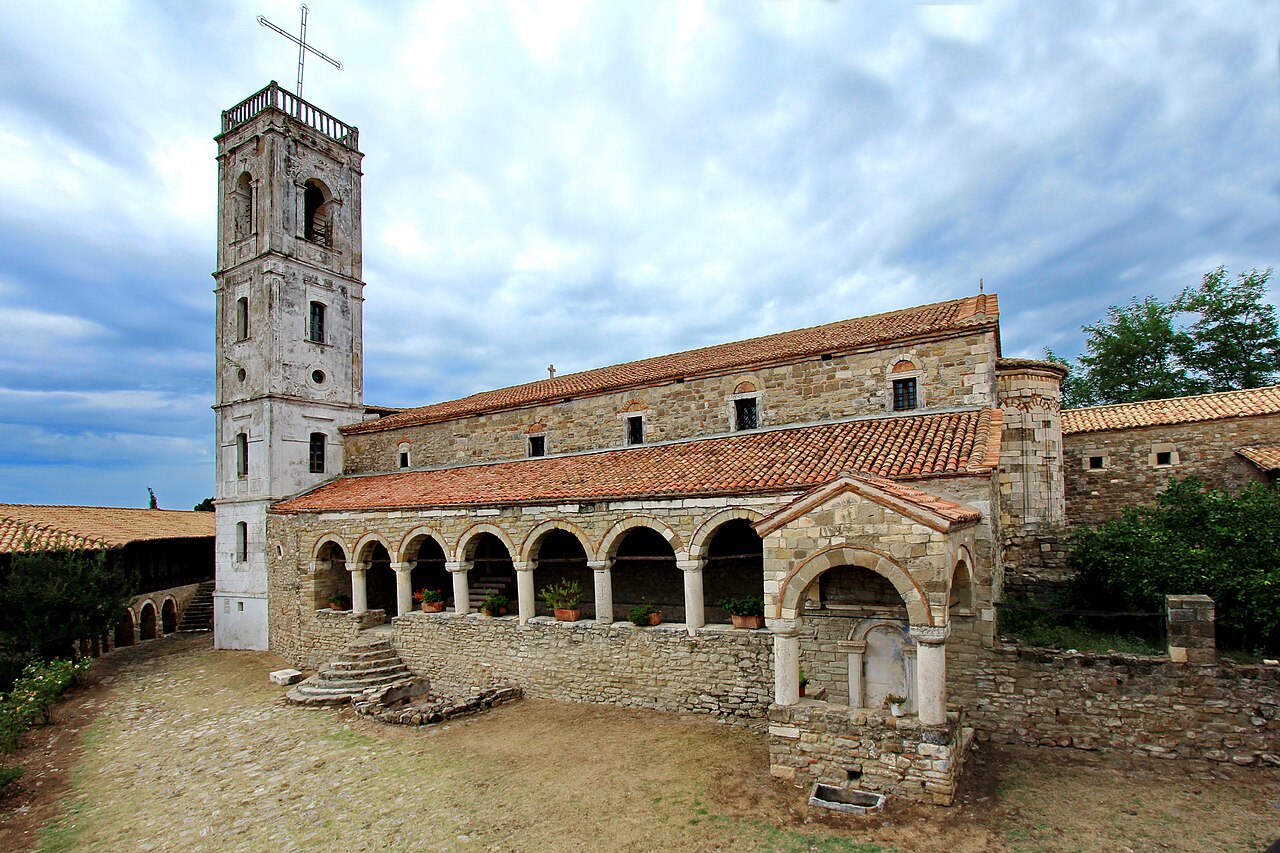
Ksamil itself has almost no history. The village was founded in 1966 as a communist agricultural cooperative for citrus farming. The deeper story is fifteen minutes south at Butrint — one of the most layered archaeological sites in the Mediterranean, with continuous occupation from the 8th century BCE through the Venetian period.

A short timeline
  • 8th c BCE Butrint (ancient Buthrotum) is founded by Greek colonists, traditionally from Troy via Aeneas.
  • 228 BCE Butrint becomes a Roman protectorate, then a Caesar-era colonia.
  • 6th c CE Butrint becomes a Byzantine bishopric. The baptistery — with the second-largest paleo-Christian mosaic floor in the world — is built.
  • 14th c Venetian rule. The triangular fortress on the bluff is built.
  • 17th c Butrint is abandoned. Malaria from the surrounding marshes makes the site uninhabitable.
  • 1928 Italian archaeologist Luigi Maria Ugolini begins systematic excavation, which continues under different teams to this day.
  • 1966 Ksamil village is founded as a state citrus cooperative.
  • 1992 Butrint inscribed as UNESCO World Heritage. The communist orchards are abandoned and rapidly overgrow.
  • 2000s Ksamil discovers its three small offshore islands. Tourism replaces oranges.

Butrint, the layered city

Butrint is the reason any visitor to Ksamil should reserve at least half a day. Inside one walled archaeological park you can see a Greek theatre, Roman baths, a 6th-century Christian baptistery with one of the great surviving mosaic floors of late antiquity, Byzantine walls, and a Venetian fortress — all on a small wooded promontory rising out of a lagoon. The site has been continuously occupied (and abandoned, and reoccupied) since the 8th century BCE. UNESCO listed it in 1992; it remains one of the most undervisited major Mediterranean archaeological sites.
The Aeneas connection

Virgil's Aeneid places Aeneas at Butrint after the fall of Troy — the city was, in the Roman imagination, an outpost of the Trojan diaspora and therefore a kind of older sibling to Rome itself. Whether the historical Aeneas existed is beside the point; the Romans treated Butrint as ancestral home and showered it with imperial patronage. Caesar settled veterans here in 44 BCE. The town's high water mark was under Augustus.

Why Butrint was abandoned

Butrint declined slowly through the Byzantine and Venetian periods, then was abandoned entirely in the 17th century. The reason was malaria — the surrounding wetlands bred mosquitoes faster than any garrison could be replaced. The Venetian fortress stood empty; the city walls were stripped for stone. The site became a wooded ruin colonised by snakes and herons. The 1928 Italian expedition rediscovered it. The wetlands are now a national park; the snakes are still there.

Ksamil itself, 1966

Ksamil village was founded in 1966 by the Hoxha regime to provide labour for a state-owned citrus enterprise — oranges and tangerines for export to other Eastern Bloc countries. The orchards covered the area between the village and the islands. After 1991 the farms collapsed and the inheritors of the agricultural land discovered that the same beachfront could be sold to tourists. The fast-and-loose building boom of the 2000s — half-finished concrete shells, ad-hoc planning, the bay choked with sun-loungers — is the visible result. The municipality has been trying to claw the planning back since 2018, with mixed success.

Why it matters today

Ksamil's water is genuinely exceptional and the village is genuinely young. The deeper visit is fifteen minutes away at Butrint, ideally early morning or late afternoon, ideally not in July. If you stay in Ksamil, build the trip around the archaeological site, not the islands.

The beaches are recent. The water has always been there. The story is at Butrint.

Where to stay in Ksamil

Where to stay in Ksamil

Coastal road
Rent a car · KSAMIL

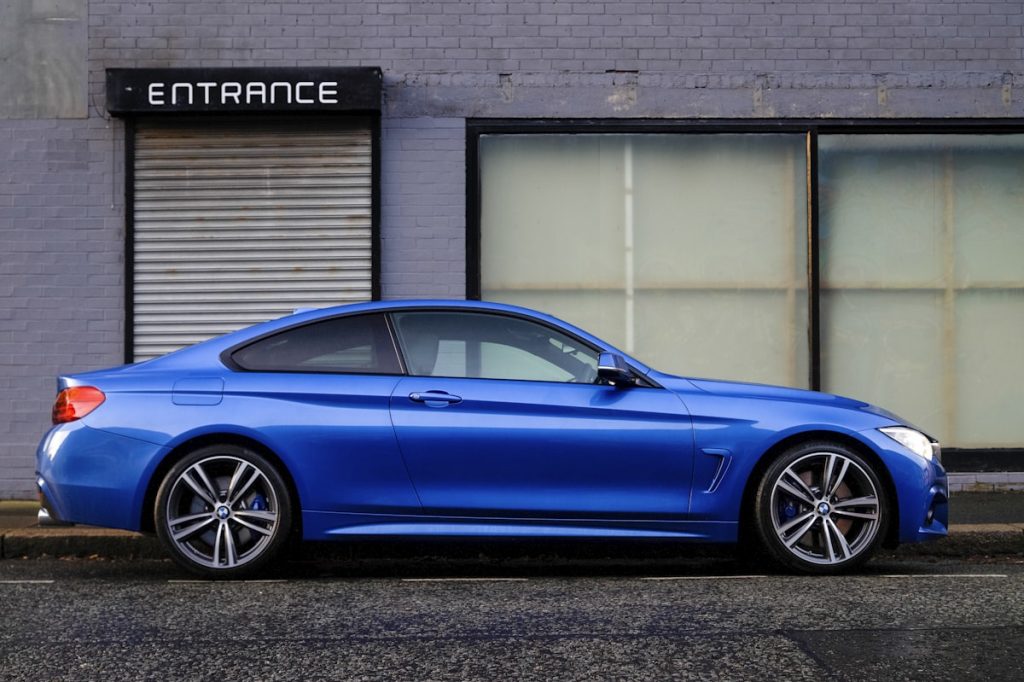
You'll want a car.

Ksamil opens up when you can drive — to the coves, the villages, the mountain restaurant that doesn't take bookings. Pick up at the airport, drop off in another city.

See cars & prices →
Buying property in Ksamil?

Smaller units priced for short-let yield in the busiest Riviera village. Strong July–August, soft shoulder; underwrite on 4 months not 12.

Where to eat

Where to eat

Things to do

Four days, four trips.

Tours & activities

Bookable routes from Ksamil.

All tours
Getting to Ksamil

Two ways in.

From Tirana
4h 30m by car · 5h by bus

The SH8 coastal road is stunning but slow. Budget an extra hour for photos. Buses run twice daily in season.

From Corfu (Greece)
30 min ferry to Sarandë + 20 min drive

Ferry from Corfu Town to Sarandë, then taxi or bus to Ksamil. The crossing is beautiful — Corfu on one side, Albania on the other.

On the map

Everything, pinned.

Ksamil
Islands
Butrint
Blue Eye
Nearby destinations

If Ksamil is your base.

Frequently asked

The questions travellers actually ask.

Ksamil or Sarandë?
Ksamil for the beach, Sarandë for the city. Most people split: base in Sarandë for restaurants and nightlife, day-trip to Ksamil for the islands and clearer water. If you want to wake up on the beach, stay in Ksamil.
Can you swim to the islands?
Yes — the closest is about 50 metres, the furthest about 150. The water is calm and warm in summer. You can also rent a kayak or paddleboard, or pay a boatman €5 to take you across.
Is it crowded in August?
Extremely. The main beach is packed by 11am. Come in June or September for half the crowds and lower prices. July is a good compromise — warm water, manageable numbers.
Are there good restaurants?
Better than you'd expect. The seafood is fresh — grilled octopus, sea bream, prawns. Most restaurants are on the beachfront and serve similar menus. Taverna Poda and Del Mare are consistently good.
Can you visit Corfu from here?
Yes — a day-trip is easy. The ferry from Sarandë to Corfu Town takes 30 minutes. You can walk the old town, have lunch, and be back for sunset. Bring your passport.
Stay connected in Ksamil
Order an Albanian e-SIM before you arrive. Activate on landing — no shop visit required.
Get e-SIM