Rent a car
Tirana

Tirana

A capital city that repainted itself — Ottoman lanes, brutalist blocks, and a nightlife that doesn't care what you expected.

Best time
Apr – Jun, Sep – Oct
Stay
2–3 nights
From airport
25 min by car
Per day
€40 – €120
About TIRANA

A city that chose its own colours.

Tirana doesn't look like other Balkan capitals — and that's the point. In the early 2000s, an ambitious mayor handed artists the keys to the city's concrete façades. What emerged is a capital washed in pink, green, yellow and blue, splashed across brutalist apartment blocks and Ottoman-era lanes.

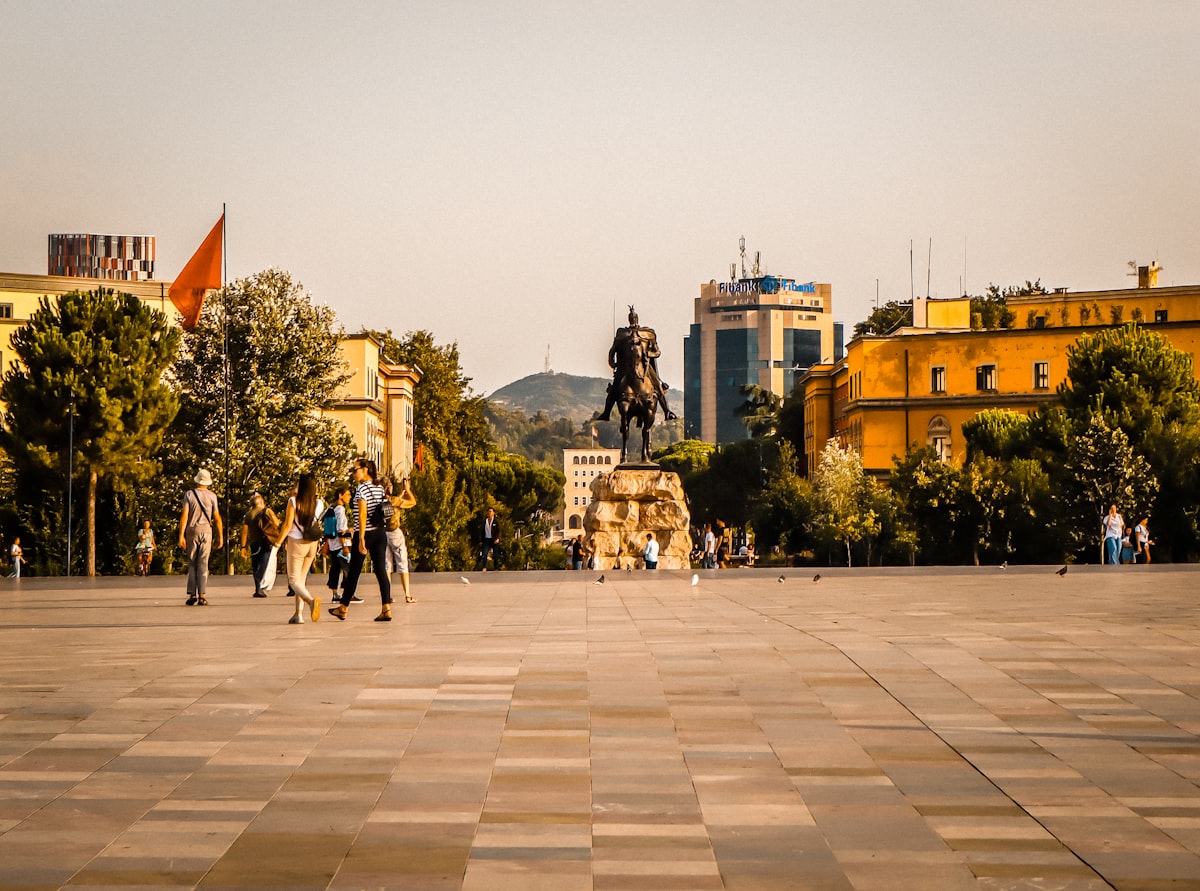
The centre is compact enough to walk in a morning: Skanderbeg Square, the Et'hem Bey Mosque, the pyramid, Bunk'Art 1 and 2. But the real city lives in the cafés of Blloku — the former Communist elite neighbourhood turned open-air lounge — and in the grand staircases of the Dajti Express cable car, rising above the smog into pine forest.

Tirana is not beautiful in a classical sense. It is energetic, contradictory, and oddly warm. People will stop you on the street to ask if you need directions. The coffee is excellent. The city teaches you that Albania's future is being written right here, in real time.

Local history

Read the place before you move through it.

Tirana was a 200-house Ottoman crossroads until 1920, when it became the capital partly because it sat between north and south. Italian planners drew the boulevards, communist planners filled them with concrete, and the post-2000 city repainted itself in loud color.

Related guides Culture hub
Neighbourhoods to walk
  • Blloku - once closed to ordinary Albanians, now bars, design shops, and the Hoxha villa.
  • Pazari i Ri - market mornings, byrek lunches, and rooftop drinks after dark.
  • Grand Park - lake paths, pedal boats, and Sunday families.
Day trips
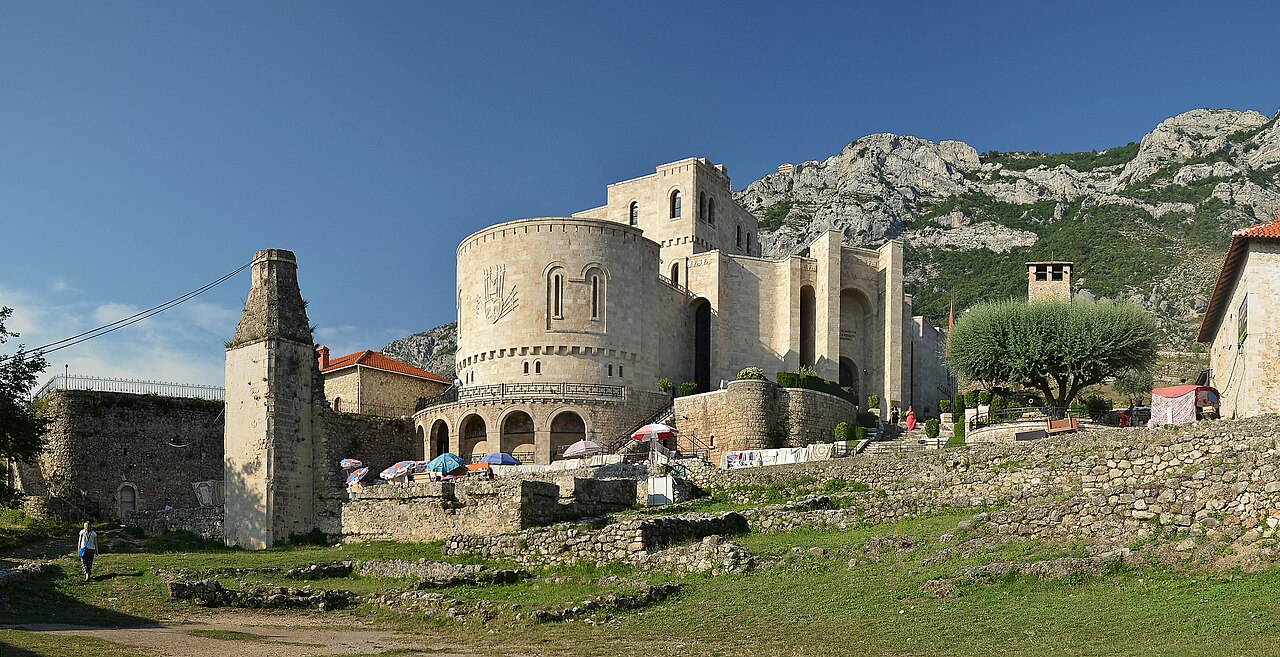
  • Kruje - Skanderbeg castle and old bazaar.
  • Bovilla Lake - reservoir cliffs and a short viewpoint hike.
  • Durres - Roman amphitheatre and the closest beach.
Local tips
  • Walk the centre; traffic is harder than the map suggests.
  • Ask for the bill; it rarely arrives automatically.
  • Use the airport bus unless you have a fixed taxi price.
History & culture

A capital invented twice, then repainted.

Tirana is younger than New York. Founded in 1614 as an Ottoman market town, made capital of Albania almost by accident in 1920, redesigned as a fascist showpiece by Italian planners in the 1930s, sealed off under Hoxha's communism for 45 years, then repainted block by block in the 2000s by an artist-mayor who became prime minister. The contradictions are part of the city.

A short timeline
  • 1614 Sulejman Bargjini, an Ottoman governor, founds a market town on the Tirana plain.
  • 1920 The Congress of Lushnjë names Tirana capital of Albania, mostly because it is geographically central and politically uncommitted.
  • 1925–1939 King Zog hires Italian architects (Florestano Di Fausto, Armando Brasini) to redesign the centre. Skanderbeg Square and the ministerial axis are their work.
  • 1939–1944 Italian and German occupation. The Tirana resistance becomes one of the most active in the Balkans.
  • 1944–1985 Enver Hoxha rules from a villa in Blloku. Religion banned, foreign travel banned, private cars banned. 173,000 bunkers built across the country.
  • 1990 The students of Tirana University start the protests that bring down the regime. The Enver Hoxha statue is pulled down in Skanderbeg Square in February 1991.
  • 2000 Edi Rama, painter and former Minister of Culture, becomes mayor. He paints the city.
  • 2014– Bunk'Art opens in Hoxha's nuclear bunker. The Pyramid reopens after renovation in 2023. Cars are pushed out of Skanderbeg Square. The country starts negotiations to join the EU.

An Ottoman market town that became a capital

For its first 300 years Tirana was provincial — smaller than Shkodër, less important than Berat, with a single Ottoman mosque (Et'hem Bey, completed 1820) and a clock tower. In 1920 the new Albanian state needed a capital that did not belong politically to any of the older cities, and Tirana was chosen partly because it was a blank slate. Almost everything visible in the centre today was built after that date.

The Italian redesign

King Zog, who reigned 1925–39, hired Italian architects to give the new capital an axis worthy of a European state. Florestano Di Fausto and Armando Brasini designed the ministerial buildings along the Dëshmorët e Kombit boulevard — neoclassical façades, fascist proportions, monumental staircases. The Italian-Albanian aesthetic survived the 1939 Italian occupation, the 1944 communist takeover, and 30 years of brutalism dropped on top of it. It is still the bones of the city centre.

Hoxha's Tirana

Enver Hoxha ran Albania from a villa in the Blloku neighbourhood from 1944 to 1985. Blloku — "the block" — was sealed off to ordinary Albanians for the entire period; today it is the city's most fashionable district, full of bars and restaurants in the houses where the politburo used to live. Hoxha's other inheritances are visible everywhere: the brutalist National History Museum (1981), the Pyramid (1988, originally his own mausoleum), the inverted-cone Palace of Congresses (1986), 173,000 small concrete bunkers across the country, and 6 km of nuclear-blast-rated tunnels under the city which now host Bunk'Art 1 and 2.

The Rama colour revolution

Edi Rama was a painter and basketball player who became Minister of Culture in 1998 and Mayor of Tirana in 2000. His first major policy was to paint the city — handing artists permission to repaint communist-era apartment blocks in pinks, yellows, greens, blues, geometric patterns. Critics said it was cosmetic. He argued it was what a battered city needed in order to start functioning. Twenty-five years later, the policy is recognised as one of the more interesting experiments in urban morale of the post-1989 period; Rama himself is now Albania's prime minister.

The current city

Tirana of 2026 is the fastest-changing capital in Europe. The Pyramid reopened in 2023 as an IT and arts incubator after a decade of dereliction. Bunk'Art 1 and 2 turn the nuclear bunkers into museums. Skanderbeg Square has been pedestrianised. The Skanderbeg statue at the centre is still there, the Et'hem Bey Mosque is still there, the Italian boulevard is still there — but most of what surrounds them is newly built. Whether the city ends up beautiful is genuinely unclear. It is undeniably alive.

Tirana is the only Balkan capital that is younger than the people writing about it. That is part of why it is interesting.

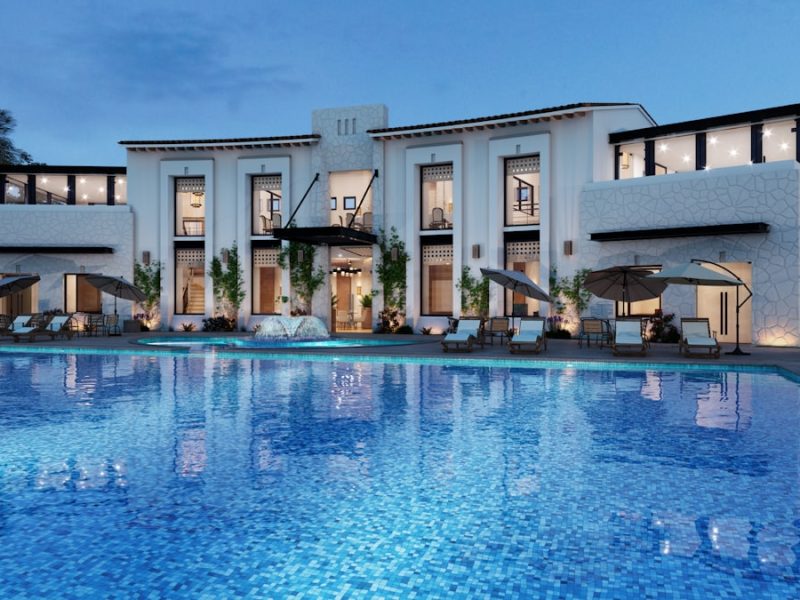
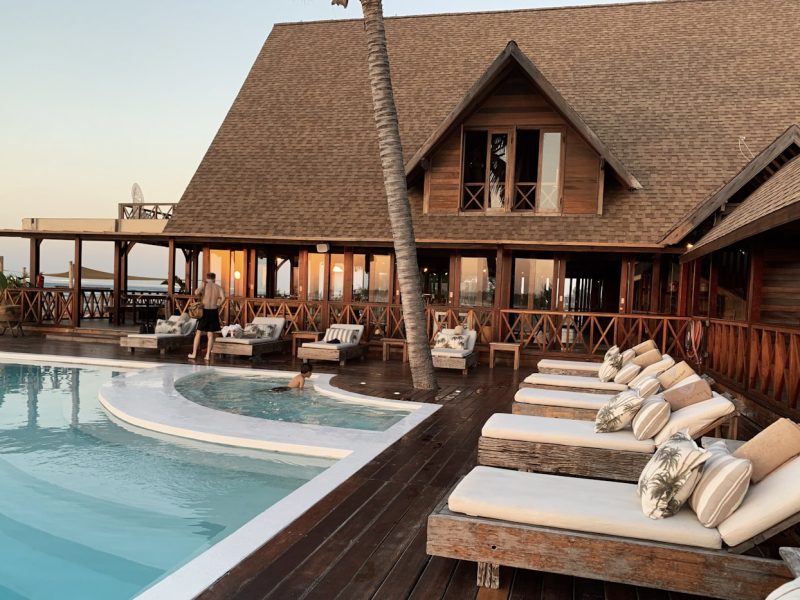
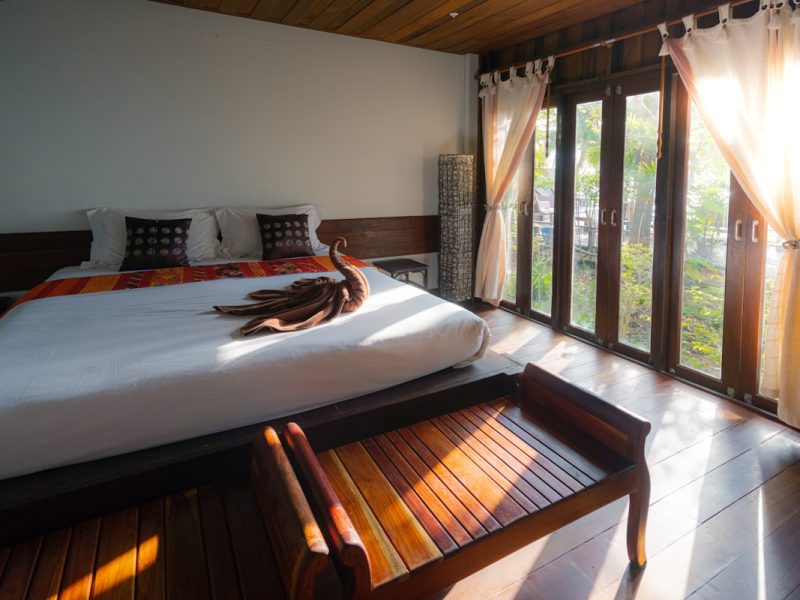
Where to stay in Tirana

Where to stay in Tirana

Coastal road
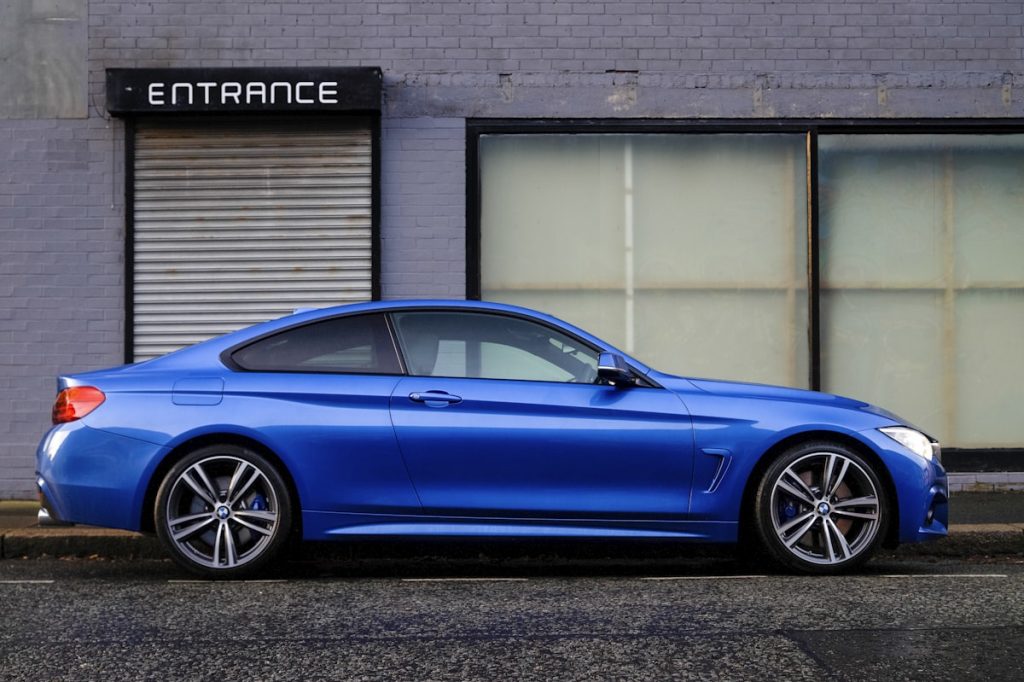
Rent a car · TIRANA

You'll want a car.

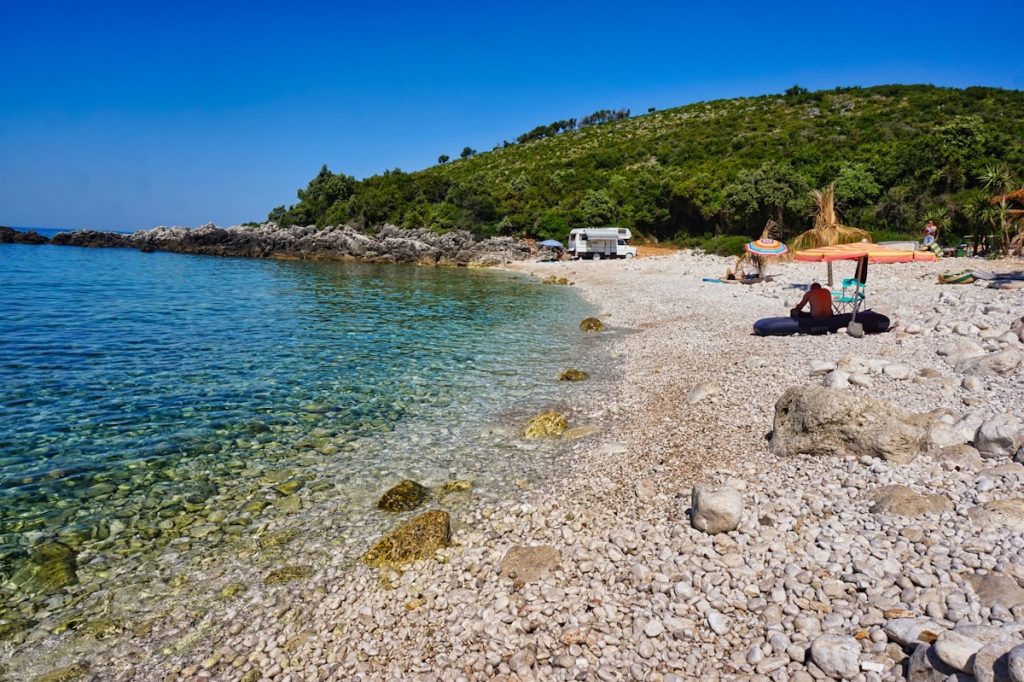
Tirana opens up when you can drive — to the coves, the villages, the mountain restaurant that doesn't take bookings. Pick up at the airport, drop off in another city.

See cars & prices →
Buying property in Tirana?

A new-build tower one block from Blloku. Long-let yield strong; central-bank and government tenants keep the immediate neighbourhood stable.

Dental tourism in Tirana

Tirana is where most patients fly in for dental work — three of our five partner clinics are within walking distance of Blloku, with English- and German-speaking dentists and the major implant brands you would get at home.

See dental tourism →
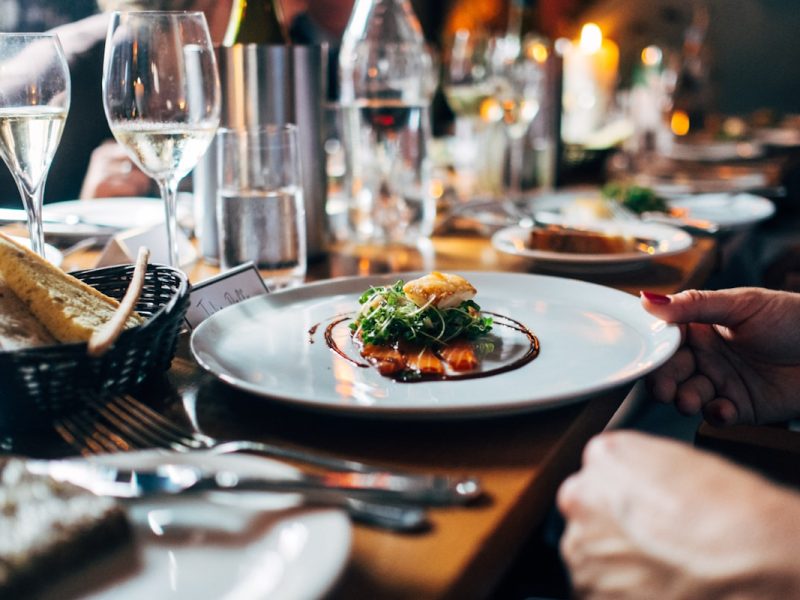
Where to eat

Where to eat

Things to do

Four things you shouldn't miss.

Tours & activities

Bookable routes from Tirana.

All tours
Getting to Tirana

Two ways in.

From Tirana Airport (TIA)
25 min by car · 45 min by bus

Most international flights land here. Taxis are fixed-price (€20–25). The airport bus leaves hourly from behind the National Theatre.

From Durrës Port
40 min by car · 1h by bus

If you arrive by ferry from Italy (Bari or Ancona), Durrës is your entry point. Buses to Tirana leave from the port every 30 minutes.

On the map

Everything, pinned.

Tirana
Dajti
Bunk'Art
Blloku
Nearby destinations

If Tirana is your base.

Frequently asked

The questions travellers actually ask.

Is Tirana safe?
Very. Petty crime is rare, violent crime against tourists is almost unheard of. The usual rules apply: watch your bag in crowded markets, don't flash expensive gear. Albanians are famously hospitable and will often go out of their way to help lost visitors.
How many days do you need?
Two full days is enough for the main sights. Add a third if you want to do Dajti mountain, a cooking class, or a day-trip to Krujë. Most travellers use Tirana as a base for one night at the start and end of their trip.
Do people speak English?
Younger Albanians (under 35) generally speak good English. Older people may speak Italian instead — Albania had Italian TV for decades. In restaurants and hotels, you'll have no problems.
Is it expensive?
No. A good meal is €8–18, a coffee is €1–1.50, a decent hotel is €50–90. Tirana is cheaper than Sofia, much cheaper than Zagreb, and a fraction of Dubrovnik.
What's the best area to stay?
Blloku for nightlife and restaurants. Near Skanderbeg Square for sightseeing. Rruga e Durrësit for budget options and local atmosphere. Avoid the far outskirts — traffic is real.
Stay connected in Tirana
Order an Albanian e-SIM before you arrive. Activate on landing — no shop visit required.
Get e-SIM