History & culture
Albania's oldest city, still busy with its third millennium of work.
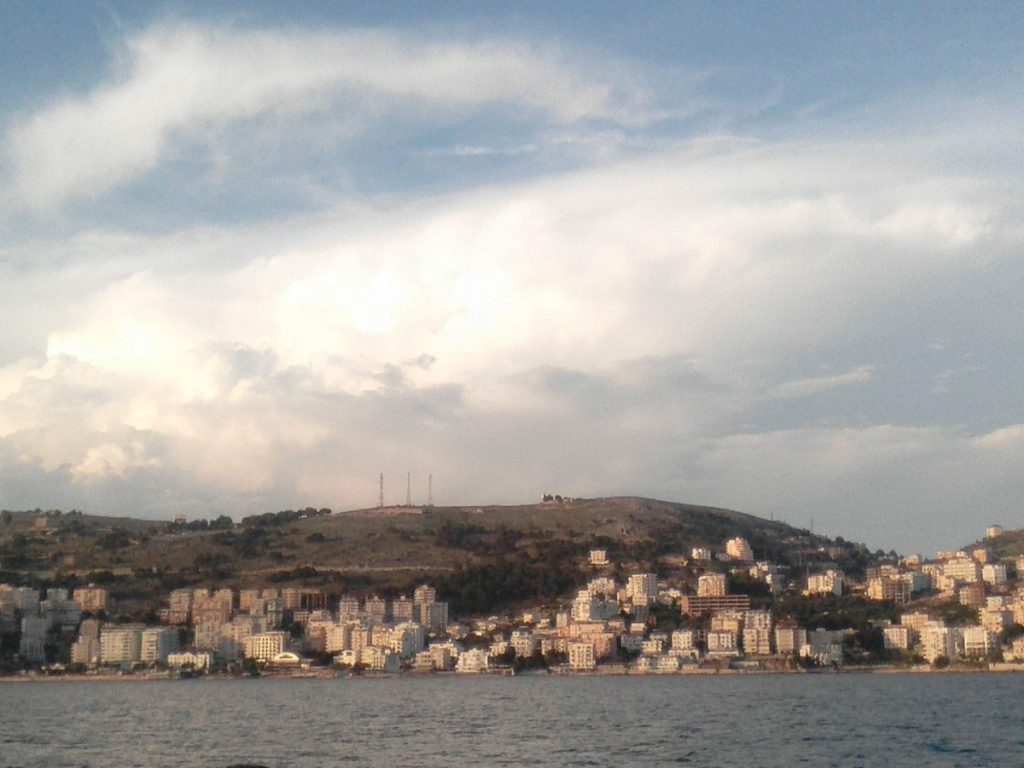
Durrës is 2,650 years old. It has been Greek, Roman, Byzantine, Bulgarian, Norman, Venetian, Ottoman, Italian, communist, and now Albanian — and it has been the country's main port for almost all of that time. The Roman amphitheatre under the modern apartment blocks is the most visible reminder; the rest of the city is the unglamorous, working layer-cake of a port that never had time to be a museum.
A short timeline
-
627 BCE
Greek colonists from Corinth and Corcyra found Epidamnos on the Adriatic.
-
229 BCE
Rome renames the city Dyrrhachium and makes it the western terminus of the Via Egnatia.
-
48 BCE
Caesar besieges Pompey here in the Roman civil war. Pompey wins the battle, loses the war.
-
1st–2nd c CE
The Roman amphitheatre is built — the largest in the Balkans, seating 20,000.
-
1081–1083
The Norman invasion under Robert Guiscard. The Battle of Dyrrhachium is one of the largest engagements of the medieval period.
-
1392
Venetian rule. The city becomes a key Adriatic possession of the Republic.
-
1501
Ottoman conquest after a Venetian siege failure. Durrës becomes the empire's main port on the Adriatic.
-
1939
Italian invasion lands at Durrës on 7 April. The Albanian defenders hold the port for hours against a much larger force.
-
1966
A Roman amphitheatre is rediscovered under a residential neighbourhood, almost by accident.
Epidamnos and the Via Egnatia
Durrës was founded as Epidamnos in 627 BCE by colonists from Corinth and Corcyra (modern Corfu). Within a few generations it was one of the wealthiest cities in the Adriatic and the western terminus of the road network that, by the Roman period, ran east to Constantinople. The Via Egnatia — built around 146 BCE — connected Durrës across the Balkans and made the city the bridge between Italy and the Eastern Roman Empire for the better part of a thousand years. Anyone who walked from Rome to Constantinople walked through Durrës.
The amphitheatre under the apartment blocks
The Roman amphitheatre of Durrës was built in the 1st–2nd centuries CE, held about 20,000 spectators, and is the largest in the Balkans. It was forgotten for so long that residential apartment blocks were built directly on top of it; the rediscovery in 1966 happened when a local resident dug into what he thought was just a wine cellar and found a carved stone seat. Excavation continues; about a third of the arena is currently visible. The site is one of the more startling experiences in Albanian archaeology — you climb down into ancient Rome inside a 1960s housing development.
The Norman war
The Battle of Dyrrhachium in October 1081 between the Byzantine emperor Alexios I Komnenos and the Norman duke Robert Guiscard was one of the largest set-piece engagements of the European 11th century. Guiscard won; Byzantium nearly collapsed; the Crusades, which were partly a Byzantine appeal for Western help, followed within fifteen years. Anna Komnene, the emperor's daughter, wrote a famous account in the Alexiad. The walls of Durrës that the Normans besieged are still partly visible behind the modern town.
Venice and the Ottoman port
The Venetians took Durrës in 1392 and held it for just over a century. They built the round tower that still anchors the harbour wall, the only major Venetian-built fortification in Albania. The Ottomans took the city in 1501 after a siege; they renamed it Dıraç, expanded the port, and ran it as the empire's main Adriatic terminal for the next four centuries. Sephardic Jews fleeing Iberia settled here in the 16th century; a small Jewish community remained until WWII, when local Albanians sheltered them under the besa code and the entire population survived.
Modern Durrës
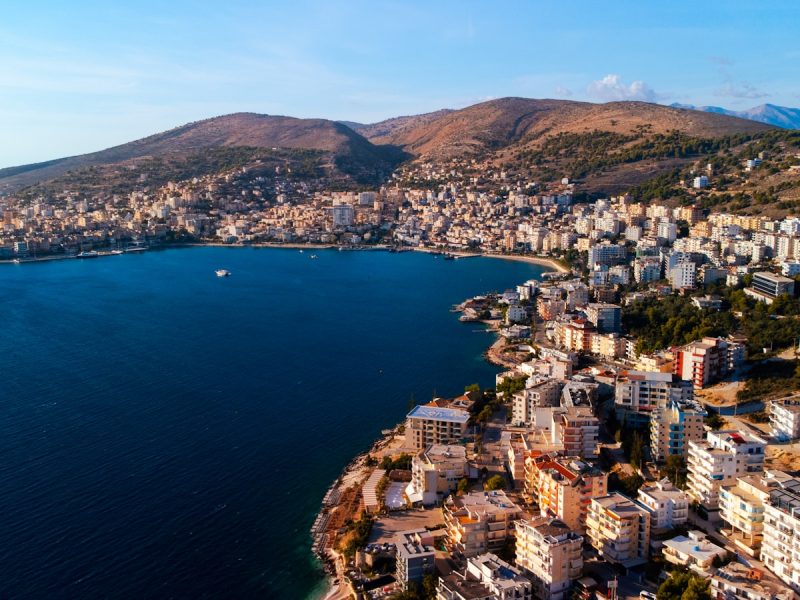
The Italian invasion of Albania on 7 April 1939 landed at Durrës; the defenders, including the local commander Mujo Ulqinaku, held the port for several hours against a hugely larger force before being killed. The 1979 earthquake destroyed much of the old town. The communist period industrialised the port heavily; the post-1990 transition added beach tourism (often badly planned) on the strip north of the city. Durrës today is unglamorous, busy, and the easiest entry-point into Albania for anyone arriving by ferry from Italy.
Why it matters today
Durrës is not pretty. It is a working port that happens to sit on top of 2,650 years of continuous history. The Archaeological Museum (small, free, full of Roman portrait sculpture) and the amphitheatre together justify a half-day. Pair with Krujë, Tirana, or the Lalzit Bay coast north of the city.
Most coastal cities in Albania are recent. Durrës has been a city longer than most countries.