Rent a car
Gjirokastër

Gjirokastër

A city built of stone — Ottoman tower houses, a fortress that dominates the valley, and the birthplace of Albania's greatest writer.

Best time
Apr – Jun, Sep – Oct
Stay
1–2 nights
From Tirana
3h 30m by car
Per day
€30 – €80
About GJIROKASTËR

The stone city.

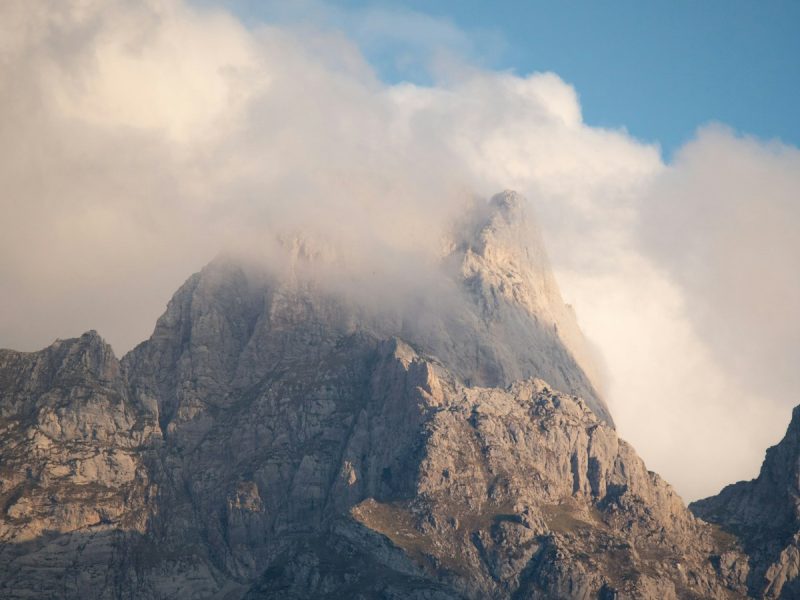
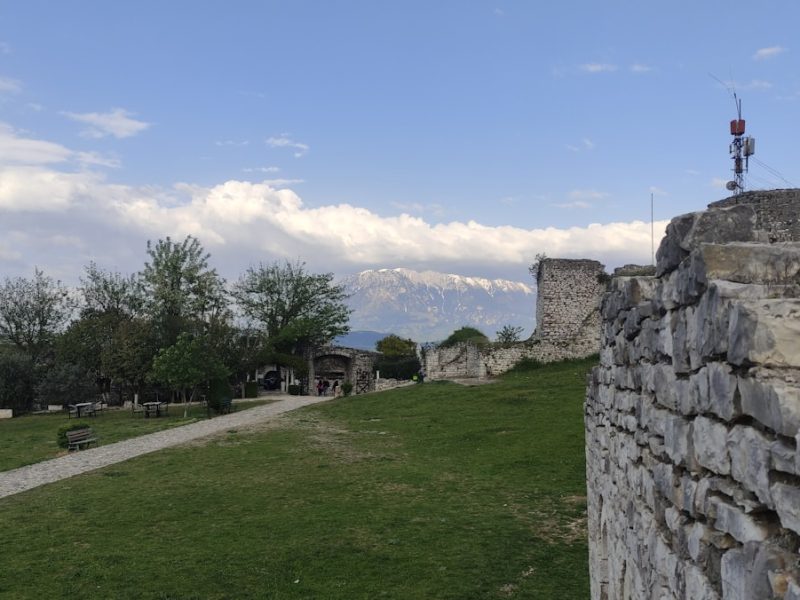
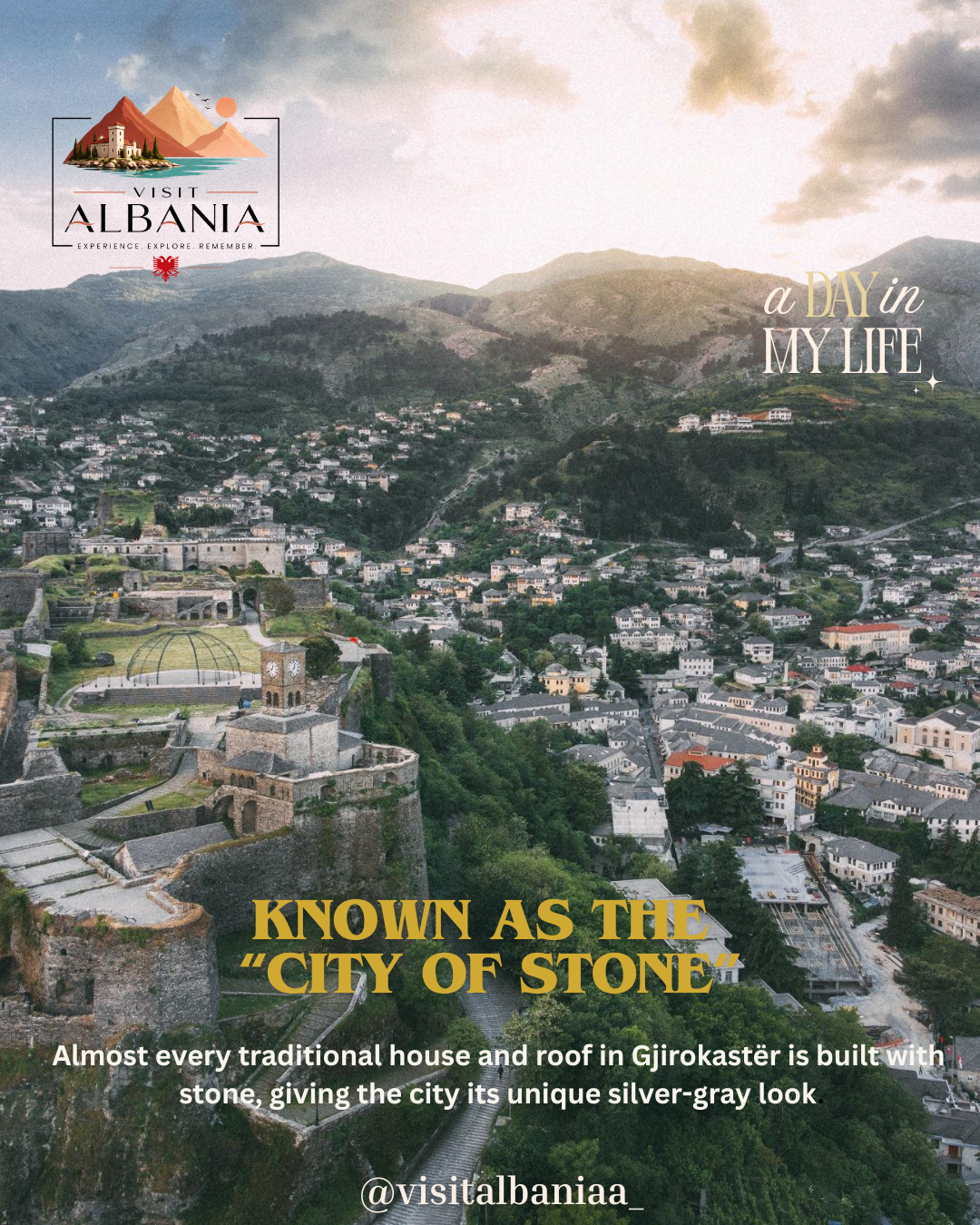
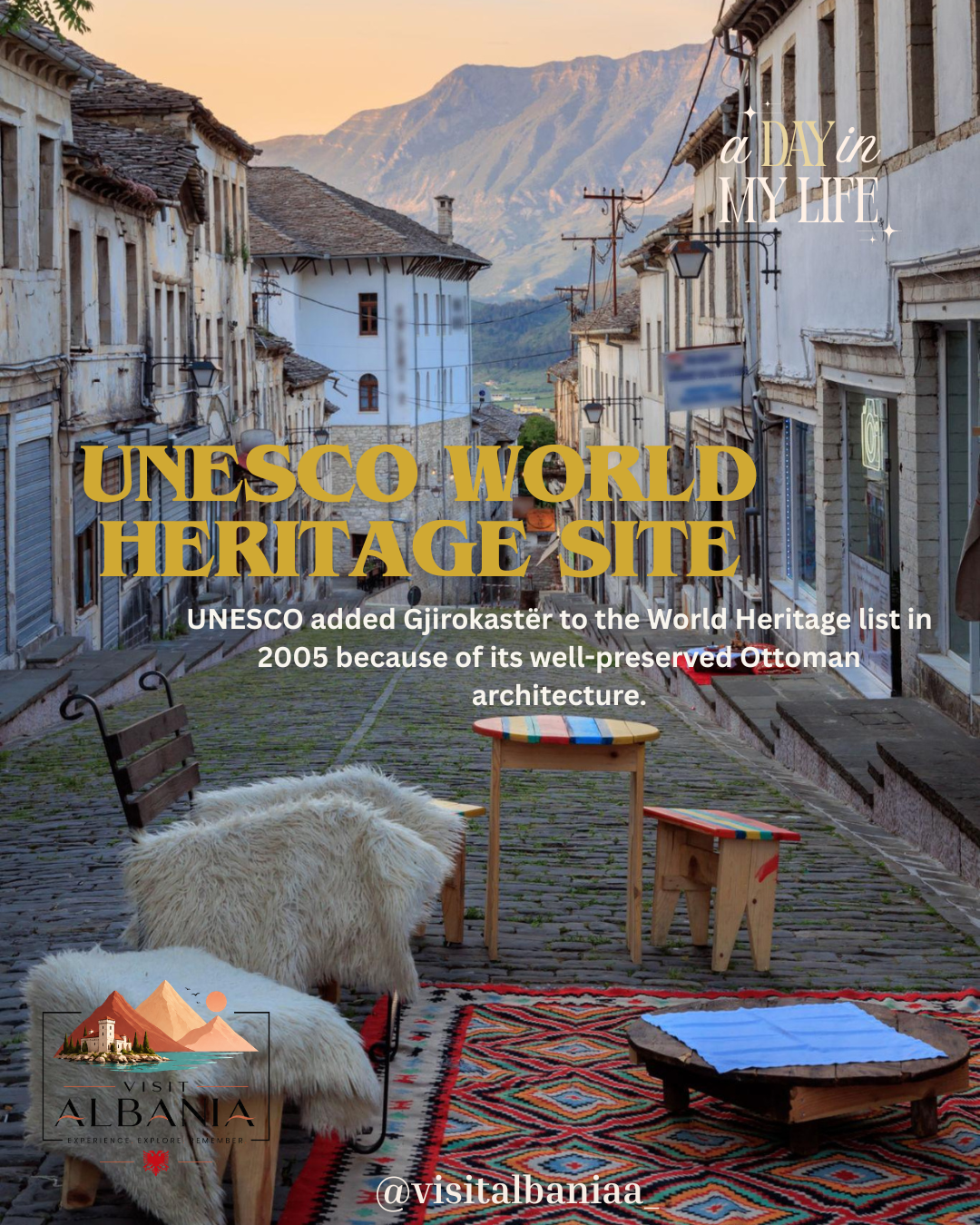
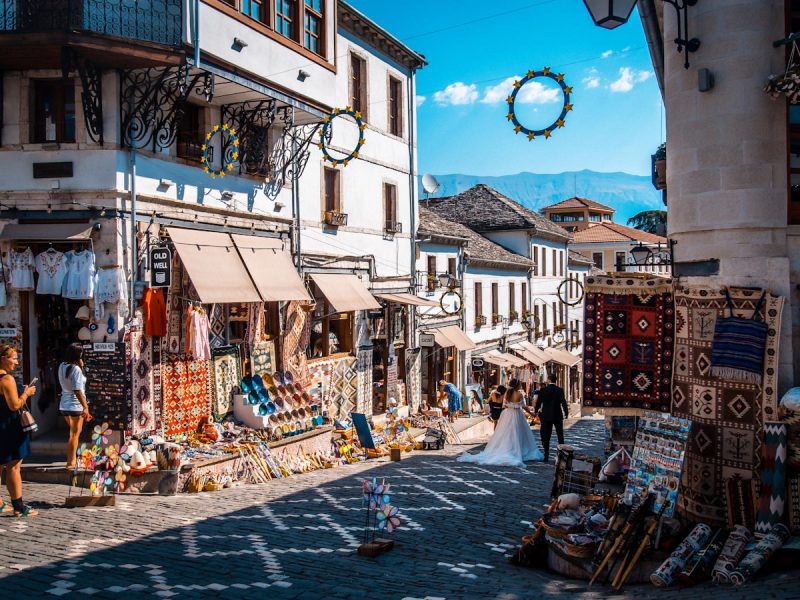
Gjirokastër is built from the same grey limestone as the mountain it sits on. The Ottoman tower houses — some four storeys high, with wooden balconies and stone roofs — climb the hillside in tiers, each one slightly higher than the last. From the fortress above, the valley stretches south towards Greece in a haze of blue and green.

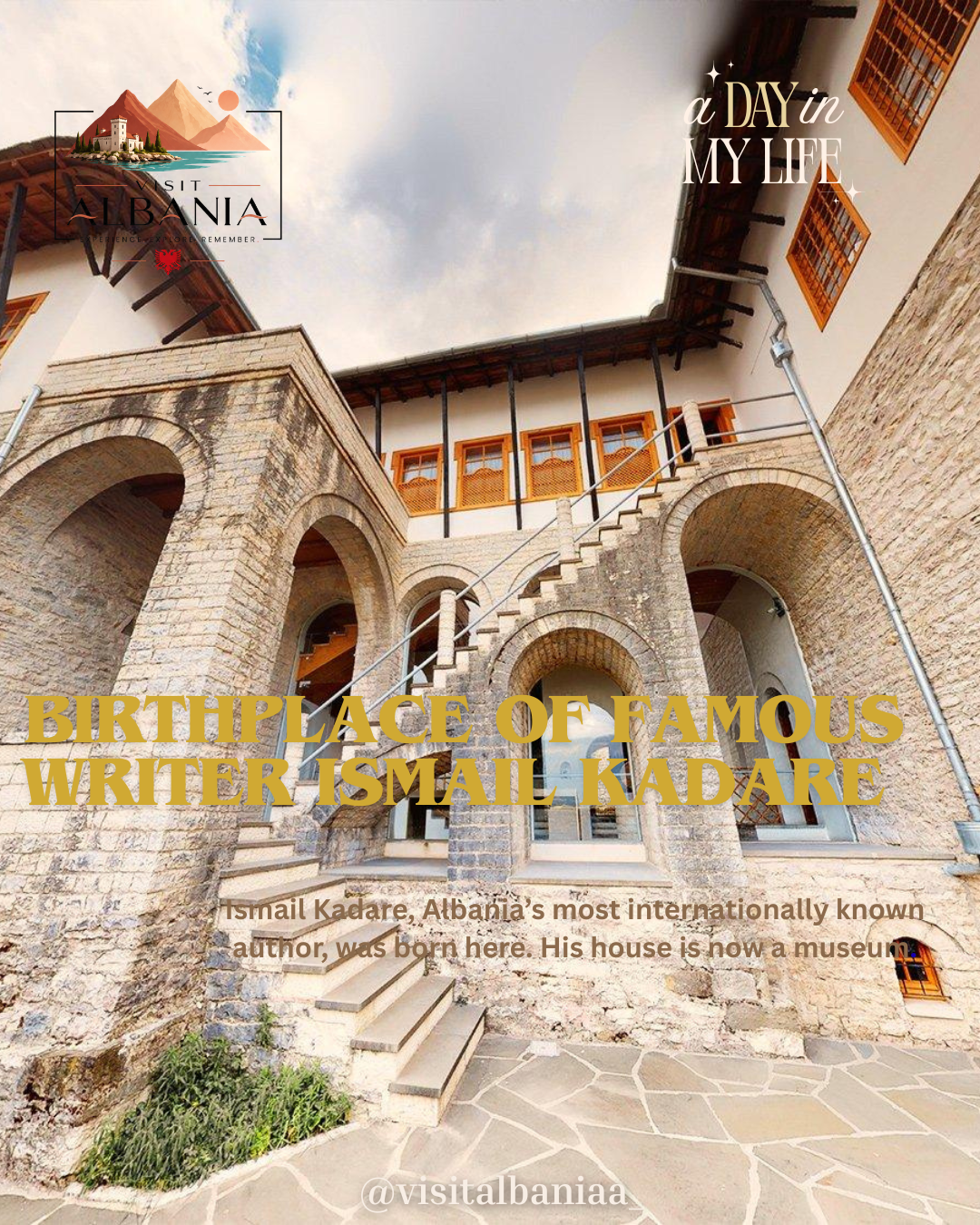
The city is the birthplace of Ismail Kadare, Albania's greatest writer and a perennial Nobel candidate. His childhood home is now a museum, and the cobbled street where he played is largely unchanged. The fortress, meanwhile, has been a prison, an anti-aircraft battery, and a weapons museum. The American spy plane shot down in 1957 sits in the courtyard, slightly rusted, oddly beautiful.

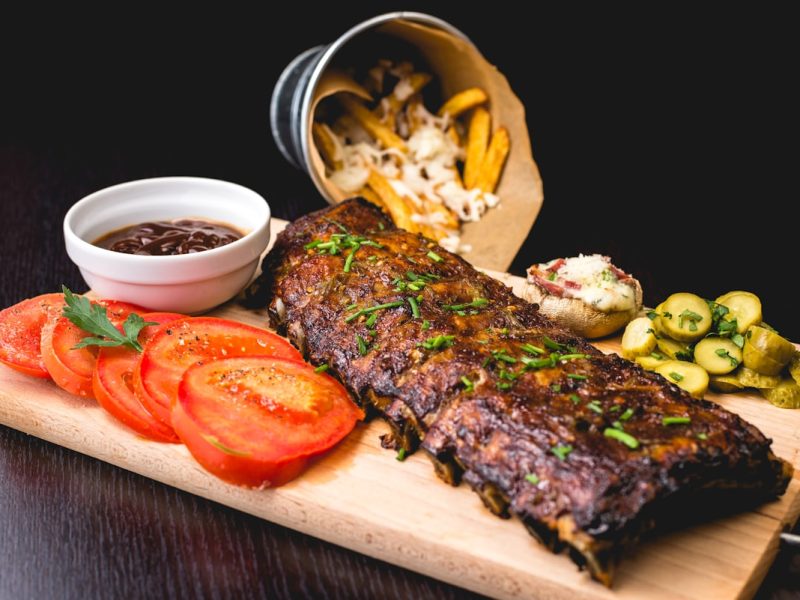
Gjirokastër is quieter than Berat, more austere, more mountainous. The food is heartier — mountain lamb, goat cheese, pie with leeks. The walks are steeper. The silence at night is deeper. It is not a place for beach holidays; it is a place for readers, walkers, and people who like old things that have not been polished for tourists.

Stone city context

Read the place before you move through it.

Gjirokaster was the Ottoman administrative capital of southern Albania for centuries. Slate-roofed tower houses climb the hillside below a fortress expanded by Ali Pasha and later folded into Cold War history.

Related guides Culture hub
Walks and viewpoints
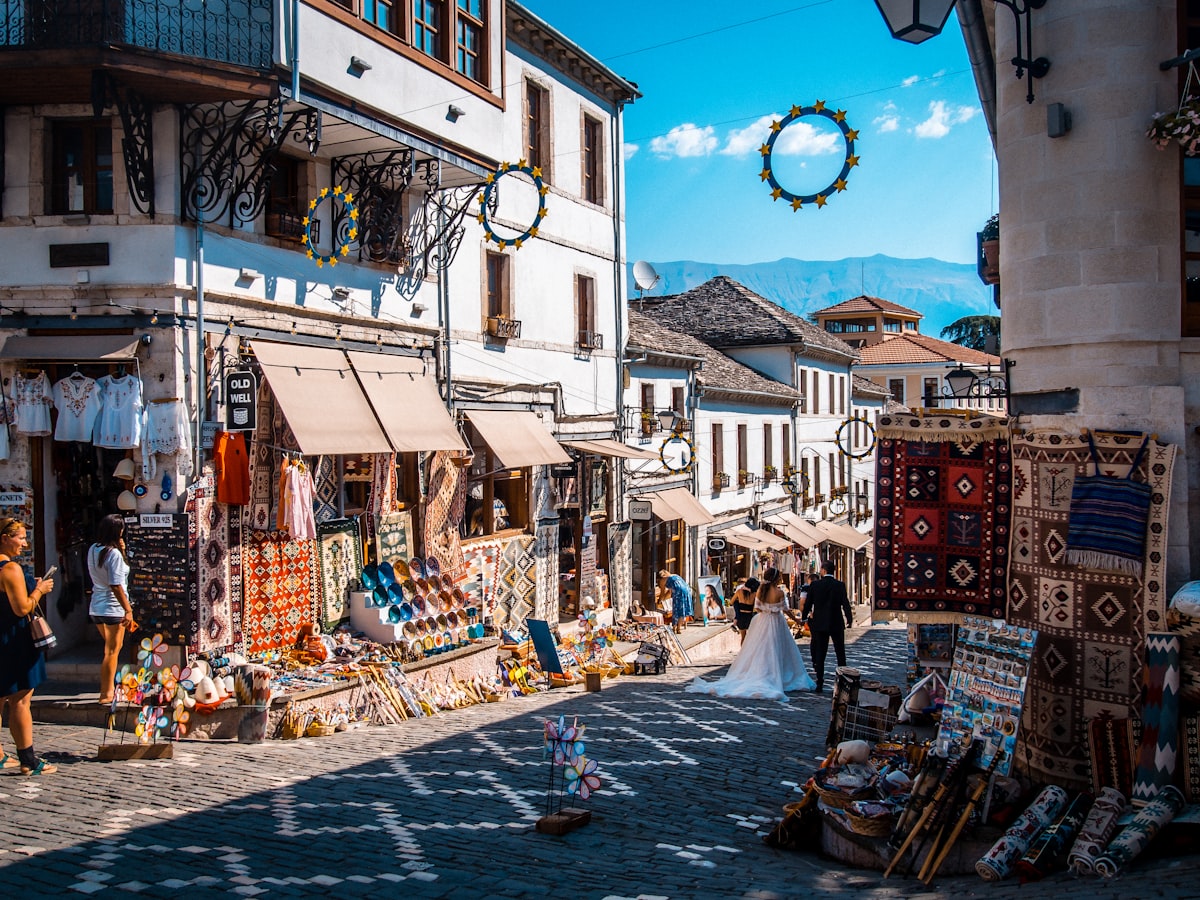
  • Old Bazaar loop for qifqi, silver, and carpets.
  • Cold War tunnel beneath the city.
  • Castle to Skenduli House through the old quarters.
Day trips
  • Blue Eye spring.
  • Antigonea ruins.
  • Permet and Benja hot springs.
Local tips
  • Wear proper soles on the cobbles.
  • Go to house museums before late afternoon.
  • Bring a layer; stone streets stay cooler.
History & culture

A stone town that produced both a Nobel candidate and a dictator.

Gjirokastër is small. It is also the birthplace of Ismail Kadare, Albania's greatest novelist, and Enver Hoxha, the country's longest-ruling tyrant. Both grew up on the same steep cobbled streets, three minutes apart. UNESCO listed the town in 2005 for an unbroken corpus of 17th- to 19th-century Ottoman merchant architecture; the two famous sons are part of why it is haunting to walk it.

A short timeline
  • 4th c BCE Greek-influenced settlement on the Drino valley plain. The castle hill is fortified.
  • 12th c Byzantine reconstruction of the citadel.
  • 1417 Ottoman conquest. The town becomes the seat of a sanjak (Ottoman administrative district).
  • 17th–19th c The classic Gjirokastër tower houses are built — stone ground floors, wooden upper storeys, slate roofs. Several hundred still stand.
  • 1908 Ismail Qemali — soon to declare Albanian independence — convenes Albanian-language schools in the area.
  • 1908 Enver Hoxha is born in a tower house on the steep lane below the Skenduli district.
  • 1936 Ismail Kadare is born five minutes away, on the same hill.
  • 1957 A US reconnaissance T-33 is shot down by Albanian air defence; the wreck is installed in the castle as propaganda.
  • 2005 UNESCO inscribes Gjirokastër for its Ottoman urban ensemble.

A purpose-built Ottoman administrative town

Gjirokastër was not built organically; it was deliberately rebuilt as an Ottoman sanjak seat from the 17th century onwards. The grey limestone houses follow a standardised vernacular — defensive ground floor, wooden upper storeys with timber-framed cantilevers, slate roofs that turn silver in rain, internal staircases winding up through three or four floors. Skenduli House and Zekate House are the textbook examples. The town is a kind of working museum of a way of urban living that almost nowhere else preserved.
The Kadare hill

Ismail Kadare grew up in a tower house on the Palorto slope and built much of his fiction around it. 'Chronicle in Stone' is set in Gjirokastër under Italian, Greek, and German occupations during WWII. 'The General of the Dead Army,' his first novel, has him imagining an Italian officer returning to gather the bones of his country's soldiers from the Albanian mountains. He has been on the shortlist for the Nobel in literature most years since the 1980s; he has won the inaugural Man Booker International. The childhood house, restored after a fire, is now a small museum on the lane that bears his name.

The Hoxha question

Enver Hoxha was born here in 1908 and ran Albania from 1944 until his death in 1985 — one of the longest, strangest, most brutal communist dictatorships in Europe. Gjirokastër benefitted from his patronage; the town survived where others were redeveloped, and the castle became a kind of national propaganda machine. The local museums today are notably restrained about Hoxha himself — there is a small ethnographic display in the house where he was born, and that is mostly it. The town has chosen, sensibly, to be the place that produced Kadare rather than the place that produced him.

The castle and the spy plane

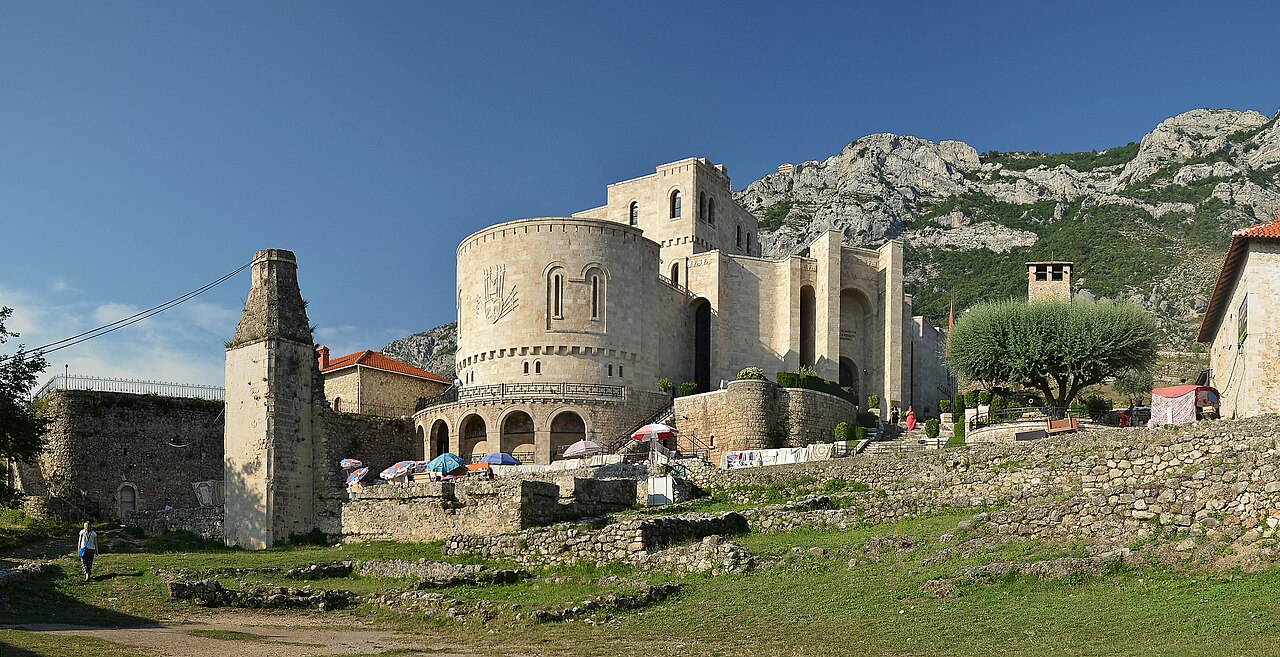
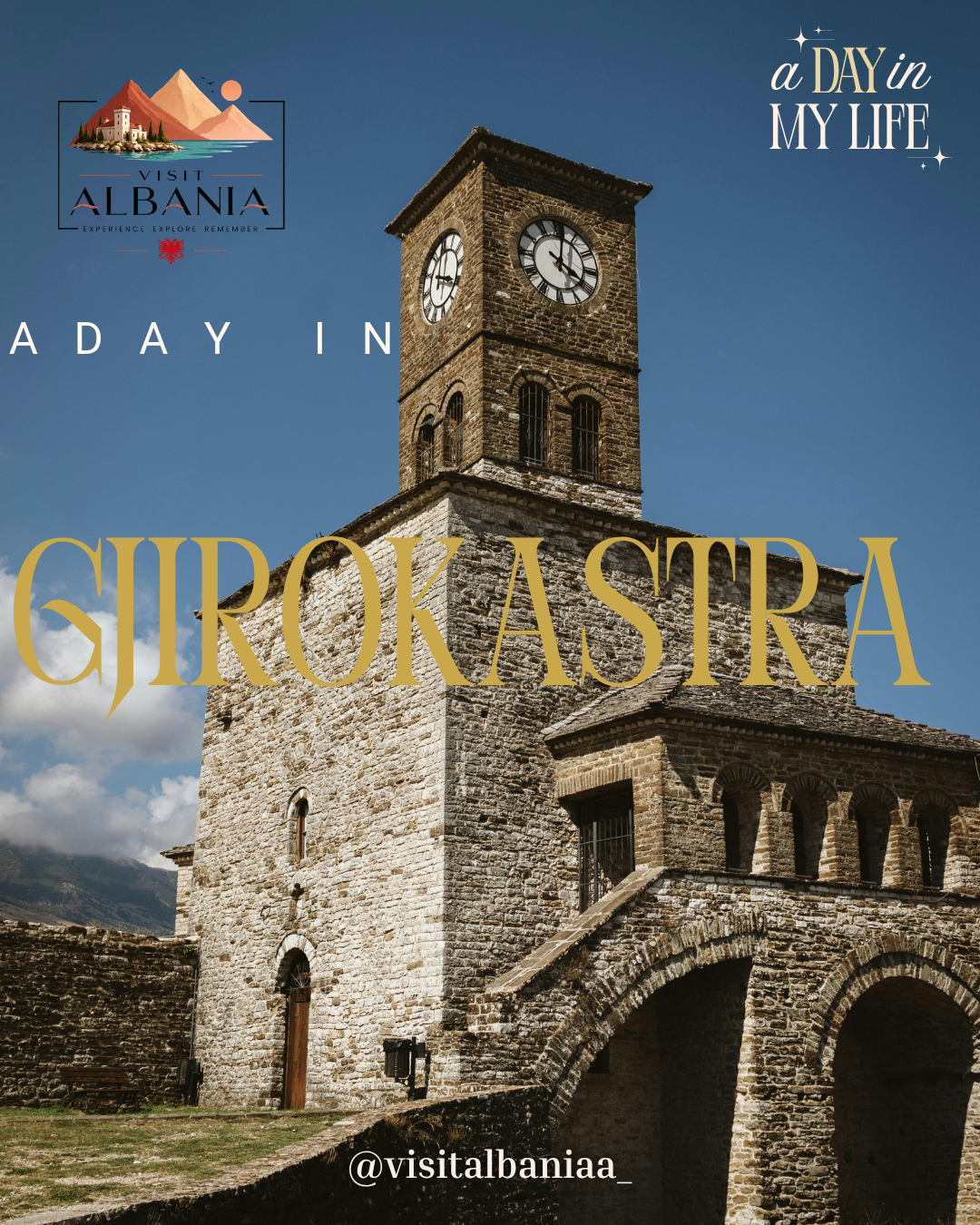
The castle has been everything: Byzantine citadel, Ottoman garrison, Italian prison, Hoxha's anti-aircraft battery, current weapons museum. The 1957 American T-33 reconnaissance plane, shot down over Albanian airspace, sits in the courtyard as a kind of cold-war reliquary. The castle also hosts the National Folklore Festival every five years — the largest gathering of polyphonic singers in the country, drawing performers from every Albanian-speaking region.

Why it matters today

Gjirokastër is the most photogenic Ottoman town in the Balkans and the one most likely to make a thoughtful visitor uncomfortable. It is also small — you can walk every cobbled lane in two days. The qifqi (a local rice ball with mint and egg) is unique to the town. Come for the architecture; stay for the layers underneath.

If Berat is the country's pretty face, Gjirokastër is its difficult uncle.

Where to stay in Gjirokastër

Where to stay in Gjirokastër

Coastal road
Rent a car · GJIROKASTëR

You'll want a car.

Gjirokastër opens up when you can drive — to the coves, the villages, the mountain restaurant that doesn't take bookings. Pick up at the airport, drop off in another city.

See cars & prices →
Buying property in Gjirokastër?

Ottoman merchant houses in the UNESCO old town. Restoration grants available; expect a two-year project and a lawyer who understands heritage law.

Where to eat

Where to eat

Things to do

Four things you shouldn't miss.

Tours & activities

Bookable routes from Gjirokastër.

All tours
Getting to Gjirokastër

Two ways in.

From Tirana
3h 30m by car · 4h by bus

The new A3 motorway to Tepelena helps, but the final climb to Gjirokastër is still winding. Buses leave Tirana twice daily. A taxi is around €90.

From Sarandë
1h 30m by car · 2h by bus

A beautiful mountain road via the Muzina Pass. Buses are frequent in summer. Consider stopping at the Blue Eye on the way.

On the map

Everything, pinned.

Gjirokastër
Fortress
Bazaar
Blue Eye
Nearby destinations

If Gjirokastër is your base.

Frequently asked

The questions travellers actually ask.

Gjirokastër or Berat?
Both are UNESCO cities, but they feel completely different. Berat is white, riverside, and gentle. Gjirokastër is grey, mountainous, and dramatic. If you only have time for one, choose Berat for beauty, Gjirokastër for atmosphere. If you have time for both, do Berat first.
Is it very hilly?
Extremely. The old town is basically a staircase. If you have mobility issues, stay in the lower town and take a taxi up to the fortress. Comfortable shoes are essential for everyone else.
What is the Blue Eye?
A natural spring about 45 minutes from Gjirokastër (and 30 minutes from Sarandë). The water bubbles up from a deep blue pool surrounded by forest. It's beautiful and slightly otherworldly. Go early — it gets crowded by 10am.
Is it expensive?
No. Gjirokastër is cheaper than the coast. A good meal is €8–15, a tower-house stay is €35–55, and entry to the fortress and museums is a few euros.
Who is Ismail Kadare?
Albania's most famous writer, born in Gjirokastër in 1936. His novels — particularly 'Chronicle in Stone' and 'The General of the Dead Army' — are set partly in this city. His childhood home is a small museum worth 20 minutes.
Stay connected in Gjirokastër
Order an Albanian e-SIM before you arrive. Activate on landing — no shop visit required.
Get e-SIM