History & culture
Two thousand years of crossing point, and the country's photographic memory.
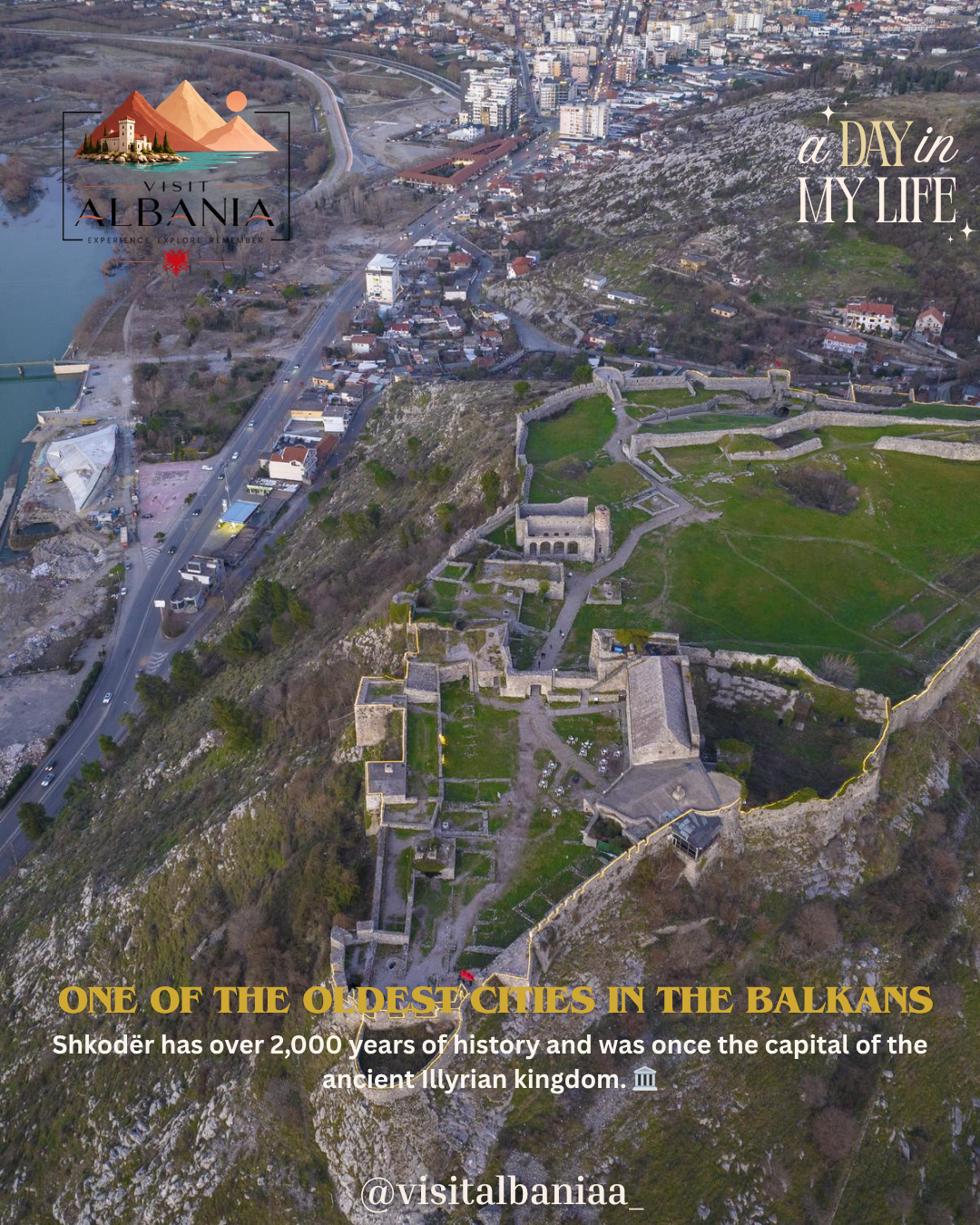
Shkodër has been a city since the 4th century BCE. Illyrian capital, Roman crossroads, Venetian fortress, Ottoman trade hub, Catholic intellectual centre — and from 1858, the home of three generations of the Marubi photography dynasty, whose archive is the most important visual record of 19th- and 20th-century Albania. It is the city Albanians come to when they want to feel European.
A short timeline
-
4th c BCE
Illyrian Scodra is founded as the capital of the Labeates tribe; Rozafa Castle is built on its hill.
-
168 BCE
Roman conquest after the Third Illyrian War. The city becomes a regional administrative centre.
-
1396–1479
Venetian Shkodër. Renaissance maps mark it as one of the great Adriatic strongholds.
-
1479
After a 15-month siege, the Venetians cede the city to the Ottomans. Marin Barleti writes the eyewitness account.
-
1858
Pietro Marubi opens the first photographic studio in the Balkans, on Shkodër's main street.
-
1908–1944
Shkodër is Albania's Catholic intellectual capital — the Franciscan college trains a generation of writers (Migjeni, Mjeda).
-
1967
Communist regime declares Albania the world's first officially atheist state. The Catholic cathedral is converted into a sports hall.
-
1991
The cathedral is reconsecrated in the first public Catholic mass in Albania for 24 years. Pope John Paul II visits in 1993.
Rozafa and the legend
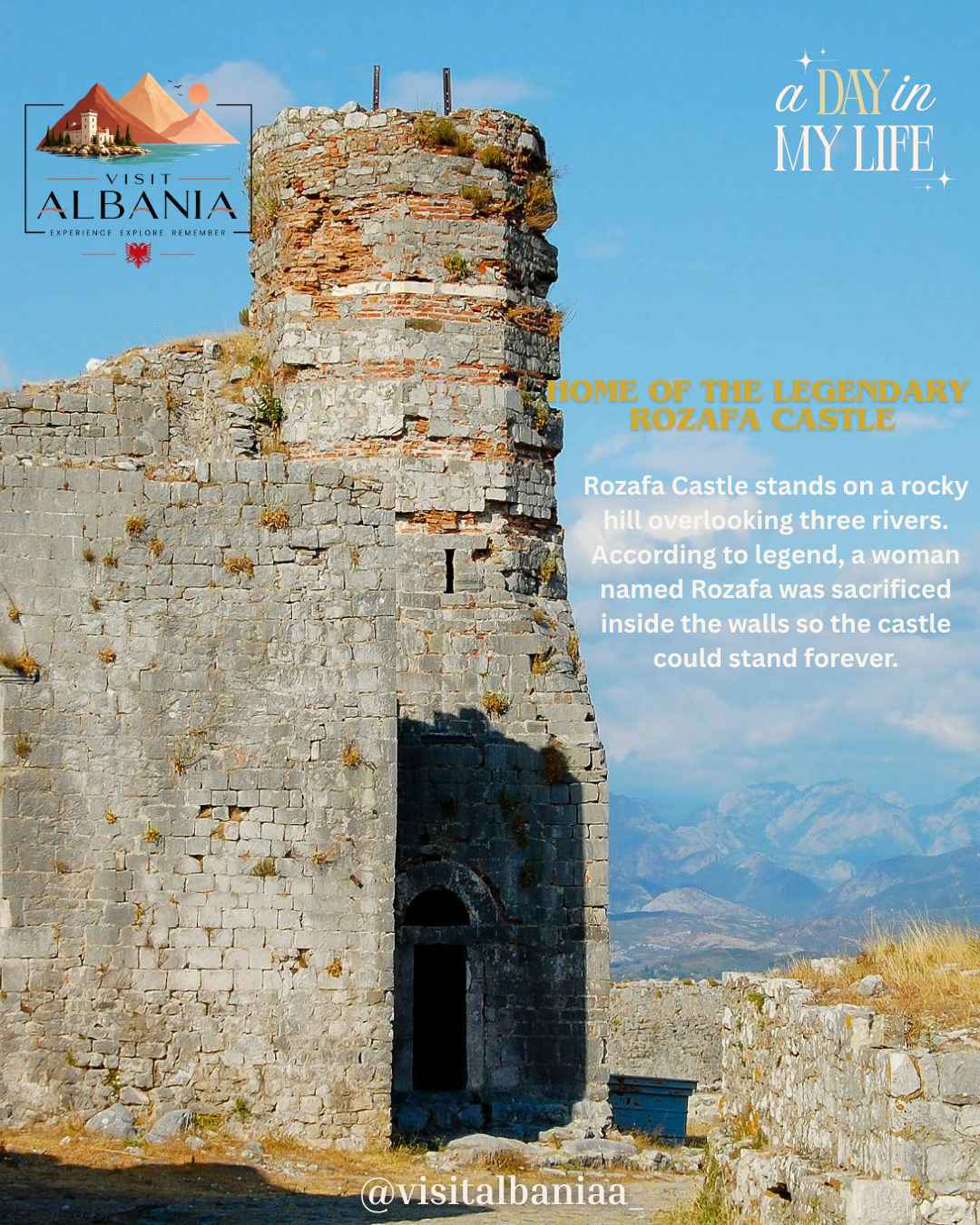
The castle on the hill outside town is named after Rozafa, the wife of one of three builder-brothers in an Albanian folk ballad. The walls of the fortress, the story goes, kept collapsing each night; the master builder told the brothers that whichever wife brought them lunch first would have to be sealed alive inside the foundations. Rozafa came; she accepted the price with the condition that her right breast, eye, hand, and foot remain free so she could nurse and watch over her infant son. The wall stayed up. It is a brutal story Albanian children still learn, and a working metaphor for everything the country has had to absorb.
The Marubi dynasty
Pietro Marubbi (Albanianised to Marubi) was an Italian political refugee who set up a photographic studio in Shkodër in 1858. His son Kel, then his adopted son Gegë, ran it for the next century. They photographed everything — Ottoman governors, mountain warriors in tribal costume, the 1912 independence committee, weddings, funerals, the Communist takeover, the first day of officially atheist Albania. The Marubi National Museum holds 500,000 plates. It is one of the great photographic archives in Europe, and almost nobody outside Albania has seen it.
Catholic Shkodër
Shkodër has always had a large Catholic community alongside its Muslim majority — a legacy of long Venetian rule, mountain isolation from the Ottoman administrative centre, and missionary work in the 19th century. The Franciscan college trained a remarkable generation of writers: Gjergj Fishta (whose epic 'Lahuta e Malcís' tried to do for Albanian what Homer did for Greek), Migjeni (the first Albanian modernist), Father Anton Harapi (executed by the communists in 1946). When Hoxha banned all religion in 1967, Shkodër got the worst of it — priests imprisoned, the cathedral turned into a volleyball court. The 1991 reconsecration was the moment the country began to come back.
The bicycle city
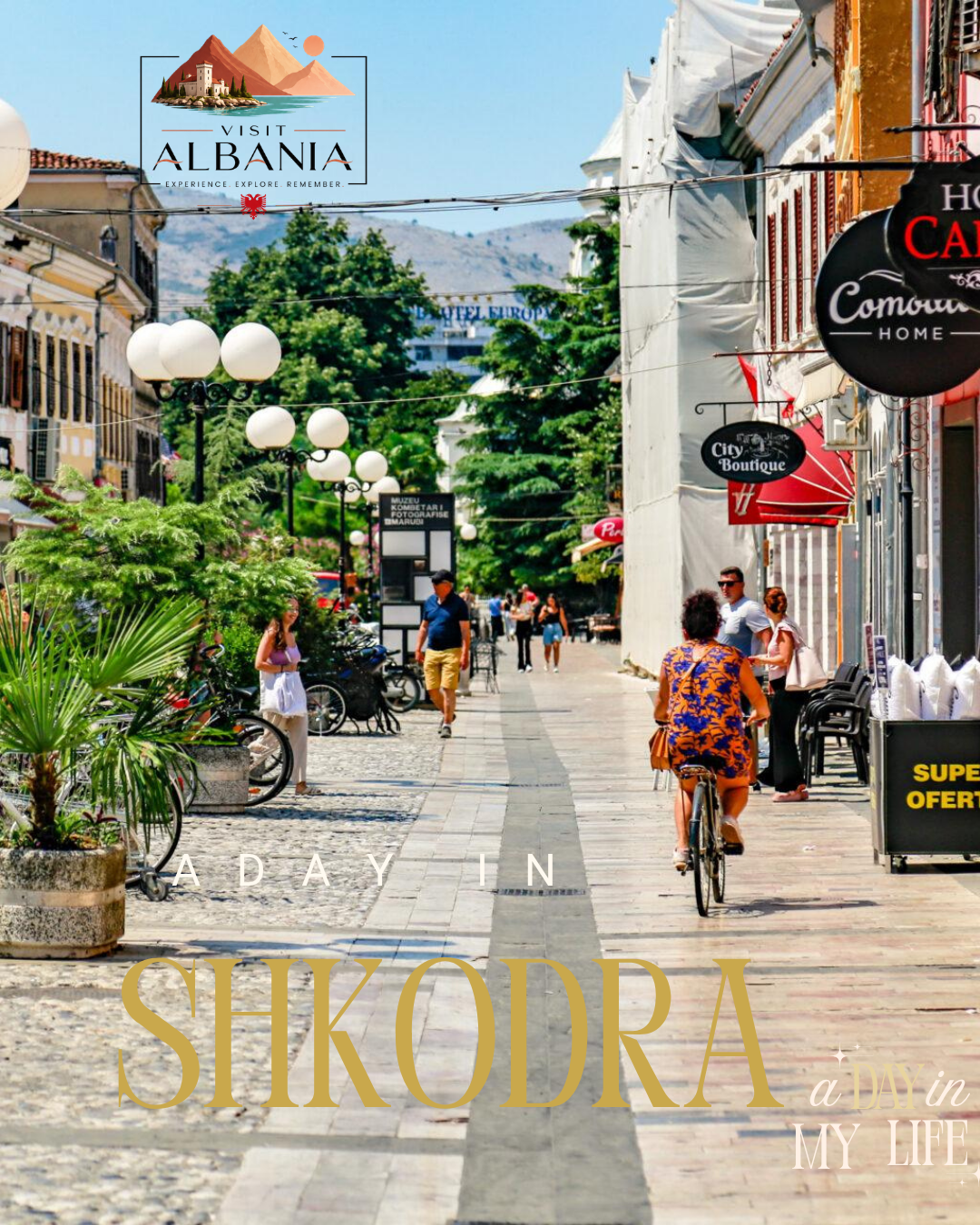
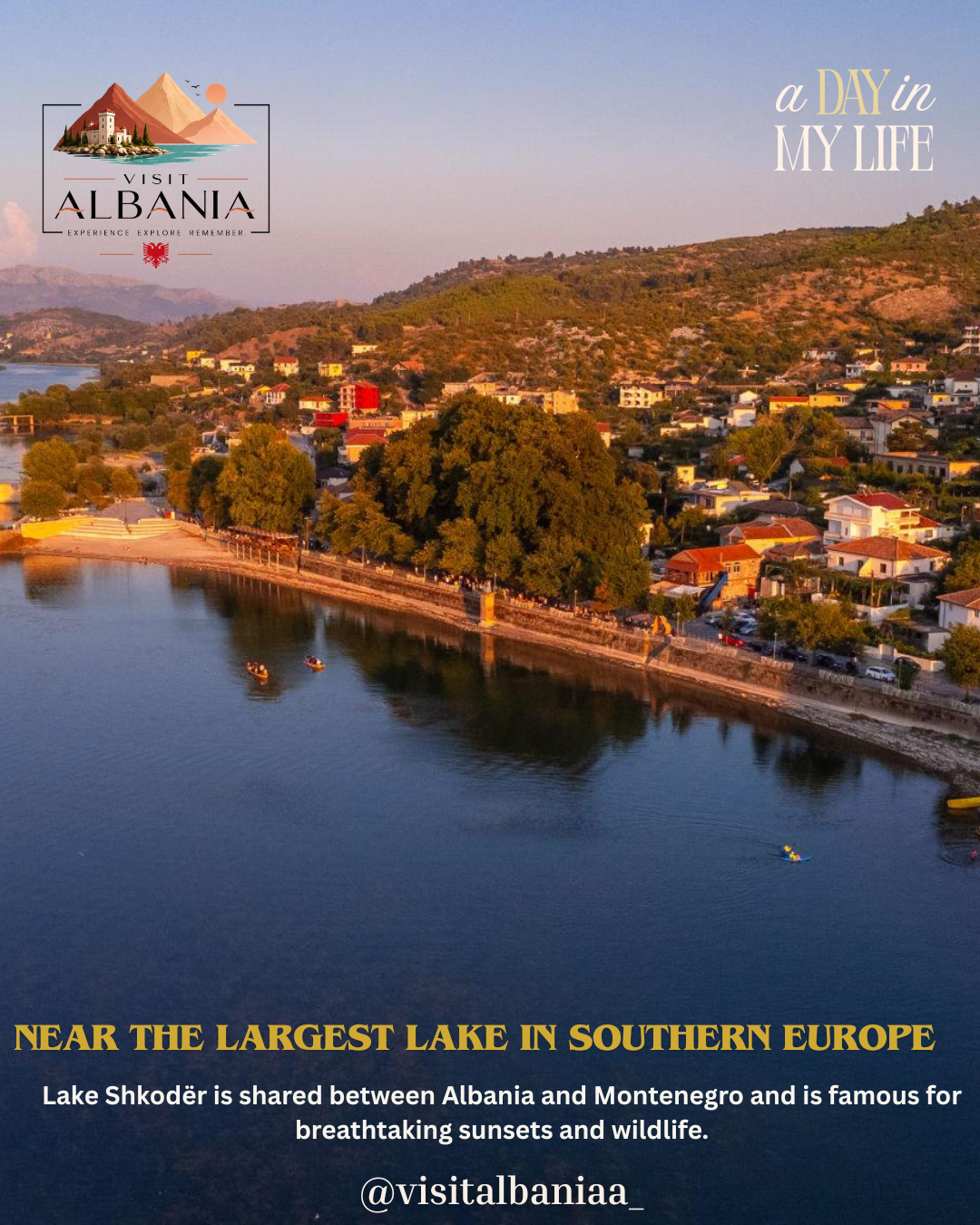
Shkodër has the best cycling infrastructure in Albania — flat streets, a lake on its doorstep, and a long tradition of bicycle commuting that the post-communist car boom never quite displaced. Hire a bike and ride out to the lake monasteries, the river-fishing villages of Shiroka, or the Bahçellëk Bektashi shrine. The city is also the closest entry point to Lake Skadar — half Albanian, half Montenegrin, full of pelicans, kingfishers, and small monasteries.
Why it matters today
Shkodër is the city Albanians take their foreign friends to first, after Tirana, because it explains the country better than the capital does. The café culture is the deepest in the Balkans. The Marubi museum is the best photographic collection in the region. The Catholic-Muslim-Bektashi-Orthodox layering is visible and easy. Three days here is more useful than a week on the coast.
Shkodër has been someone's frontier for two thousand years. That is exactly what makes it a city.