Rent a car
Berat

Berat

White Ottoman houses climb a hillside towards a thirteenth-century castle — the most photographed city in Albania, and deservedly so.

Best time
Apr – Jun, Sep – Oct
Stay
1–2 nights
From Tirana
90 min by car
Per day
€35 – €90
About BERAT

A hillside of windows.

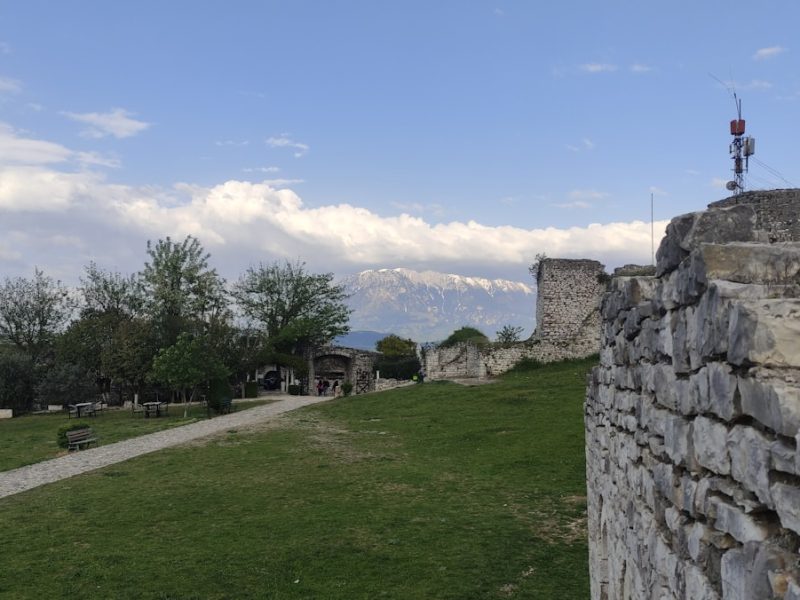
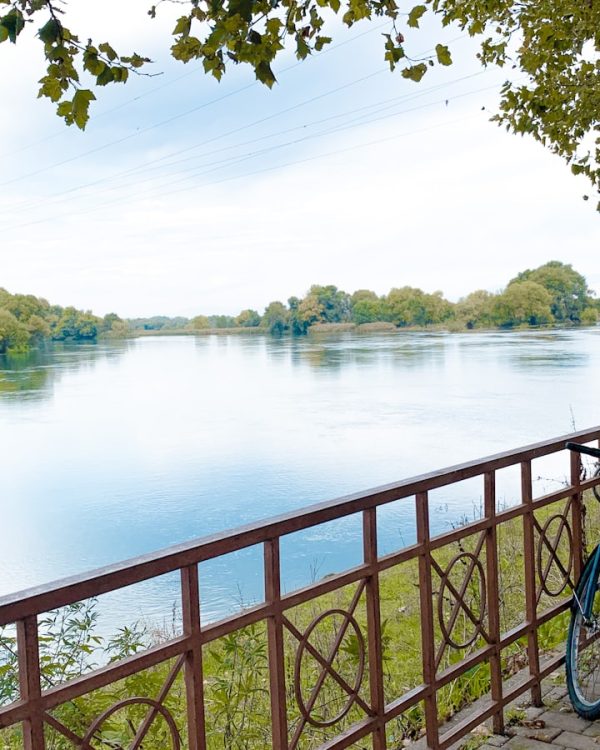
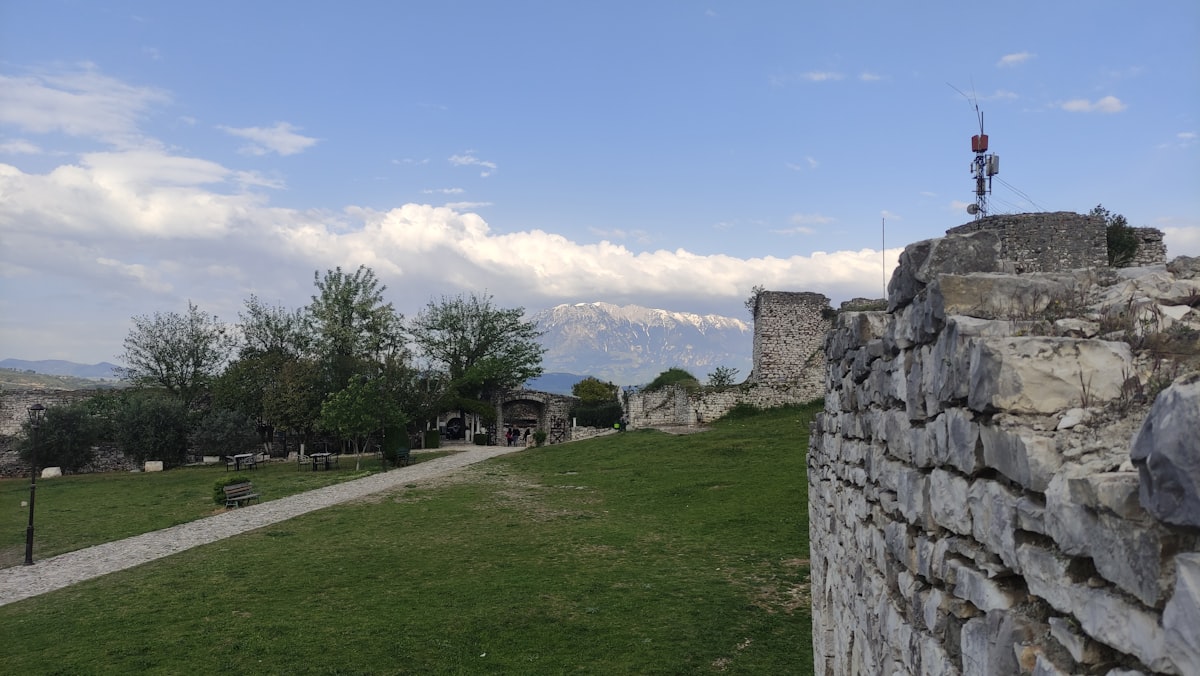
Berat is the city Albania shows off first — and with reason. A hillside of white Ottoman houses, each with multiple wooden windows, climbs towards a massive castle that has been inhabited continuously since the fourth century BC. The Osum River divides the old town from the new, and a medieval bridge connects them at sunset.

The castle quarter (Kalaja) is not a museum — people still live here, in stone houses with grape arbours overhead. Inside the walls are thirteen churches and one mosque, a reminder of the religious coexistence that has defined this region for centuries. The Onufri Museum, inside the Church of the Dormition, holds the sixteenth-century golden icons that give the museum its name.

Berat is small. You can walk the old town in a morning, climb to the castle by afternoon, and be drinking wine by the river as the light turns gold. Most travellers stay one night; those who stay two discover the hiking trails into the Osum Canyon, the winemakers in the villages above, and the silence of the cobblestones after the day-trippers leave.

Layered city

Read the place before you move through it.

Berat has been renamed by empires but never flattened. UNESCO listed it for the layering: castle stones, Byzantine churches, Ottoman houses, and a town still lived in rather than frozen. The best meals here feel the same way: home food, wine, olives, and hospitality treated as living tradition rather than nostalgia.

Related guides Culture hub
Walks, tables, and viewpoints
  • Mangalem to Gorica bridge at dusk.
  • Castle ramparts loop with proper shoes.
  • A home-food dinner or brunch terrace with Berat wine.
  • Tomorri viewpoint from the eastern bastion.
Day trips
  • Cobo or Nurellari winery.
  • Bogove Waterfall.
  • Osum Canyon rafting in spring.
Local tips
  • Do not drive into Mangalem if you can avoid it.
  • The white stone is slippery in rain.
  • Book one traditional dinner instead of treating Berat as only a viewpoint stop.
  • Sleep inside the old quarters if possible.
History & culture

A continuously inhabited hill, in four religions.

Berat is the rare Albanian town where the layers are visible from the street. Illyrian foundations under the castle, Byzantine churches inside the walls, a Sephardic synagogue site at the foot of the hill, Ottoman houses on the slopes above, all still alongside the people who live in them. UNESCO listed the old town in 2008 for exactly this — a 2,400-year-old hill that never stopped being a town.

A short timeline
  • 4th c BCE Illyrian fortress on the castle hill — the oldest dateable settlement.
  • 200 BCE Roman conquest. The town becomes a way-station on the road from Durrës to Macedonia.
  • 9th–13th c Byzantine and Bulgarian rule. The first stone churches inside the castle are built.
  • 1417 Ottoman conquest. The Mangalem quarter grows up below the castle, the Gorica quarter across the river.
  • 1550–1600 The icon painter Onufri works in Berat. His tempera-on-wood Madonnas are still here, in the Church of the Dormition.
  • 1944–1990 Communism. Religious practice banned in 1967; churches and mosques converted to stores, museums, gyms. Many survive precisely because they were repurposed.
  • 2008 UNESCO inscribes the old town. Restoration money, planning constraints, and tour-bus traffic arrive in roughly that order.

A castle that is also a neighbourhood

Most castles in Europe are museums. Berat's Kalaja is a working postcode. About 400 people live inside the walls, in stone houses that the families have held for generations. You walk in through the main gate, past goats and a café, and you keep walking — past a Byzantine church being used as someone's wood store, past a 15th-century cistern, past someone's grandmother shelling beans on the doorstep. The state took a long time to recognise that this was the actual heritage. UNESCO did first.

Onufri and the icons

Onufri was a 16th-century icon painter, probably trained at Mount Athos, who set up a workshop in Berat in the 1550s. His Madonnas are unmistakable — a particular deep red the Greeks still call 'rosso Onufri,' faces that look directly out at the viewer rather than the conventional sideways gaze, and a luminosity that survives 500 years of candle smoke. The Onufri Museum inside the Church of the Dormition holds the largest collection. It is one of the small great museums of Europe; almost nobody outside Albania has heard of it.

Three religions, one hill

Berat has Orthodox Christianity in the castle, Sunni Islam in the lower town, Bektashi Sufism in the surrounding villages, and the foundations of a Sephardic synagogue at the foot of the hill (the Jewish community arrived from Iberia in the 16th century and was largely saved during WWII by Albanian families, in line with the besa code). Religious coexistence here is not a tourist-board talking point — it is a 700-year operating reality. The communist regime tried to abolish religion entirely in 1967 and largely failed; what came back after 1990 was the old layered pattern.

Mangalem and Gorica

The two old quarters face each other across the Osum river. Mangalem ("a thousand windows") climbs the south slope below the castle; Gorica is the smaller mirror across the river. The houses are 18th- and 19th-century Ottoman vernacular: stone ground floor, wooden upper storeys, multiple windows on every façade because window tax was lower than wall tax. The medieval Gorica bridge connects them. Walk it at sunset; it is one of the most photographed views in the Balkans, and the photography is justified.

Why it matters today

Berat is a working town that happens to be a UNESCO site, not the other way around. The castle quarter is still residential. The wineries above the city are still family-run. The bazaar still has a butcher and a baker, not just souvenir shops. Visit before the planning constraints either save it or kill it — at the current rate of restoration, the next ten years will decide which.

Some old cities are preserved. Berat is just continuously lived in. That is a rarer thing.

Where to stay in Berat

Where to stay in Berat

Coastal road
Rent a car · BERAT

You'll want a car.

Berat opens up when you can drive — to the coves, the villages, the mountain restaurant that doesn't take bookings. Pick up at the airport, drop off in another city.

See cars & prices →
Buying property in Berat?

Small boutique block of apartments on the Osum river, facing the Mangalem quarter. Owner-occupier or premium short-let.

Where to eat

Where to eat

Things to do

Four things you shouldn't miss.

Tours & activities

Bookable routes from Berat.

All tours
Getting to Berat

Two ways in.

From Tirana
90 min by car · 2h by bus

The A3 motorway makes this an easy drive. Buses leave Tirana's South Terminal every hour. A taxi costs around €50.

From Gjirokastër
2h 30m by car · 3h by bus

A scenic mountain crossing via Tepelena. The road is winding but paved. Buses are infrequent — check the morning schedule.

On the map

Everything, pinned.

Berat
Castle
Gorica
Osum Canyon
Nearby destinations

If Berat is your base.

Frequently asked

The questions travellers actually ask.

Is Berat worth an overnight stay?
Absolutely. The day-trippers leave by 4pm, and the old town becomes magical — lantern-lit cobblestones, the castle walls glowing, the river silent. The restaurants are better in the evening too. Stay one night; you'll understand why.
Can you walk everywhere?
The old town and castle are entirely walkable — but hilly. Wear decent shoes; the cobblestones are uneven and the climb to the castle is real. The Gorica quarter across the river is a 10-minute walk over the bridge.
Is it crowded?
In July and August, yes — tour buses arrive from Tirana and the coast by 10am. Come in April, May, September or October and you'll have the place largely to yourself.
What is the Onufri Museum?
A small but extraordinary collection of sixteenth-century religious icons painted in gold and egg tempera by the artist Onufri. It's inside the Church of the Dormition, within the castle walls. Entry is included in the castle ticket.
Are there wineries nearby?
Yes — the village of Roshnik, 20 minutes above Berat, has several small producers making excellent shesh i zi (a local red) and some surprisingly good Cabernet. Hotel Mangalemi can arrange tastings.
Stay connected in Berat
Order an Albanian e-SIM before you arrive. Activate on landing — no shop visit required.
Get e-SIM