Cities & UNESCO
Featured
All destinations
→
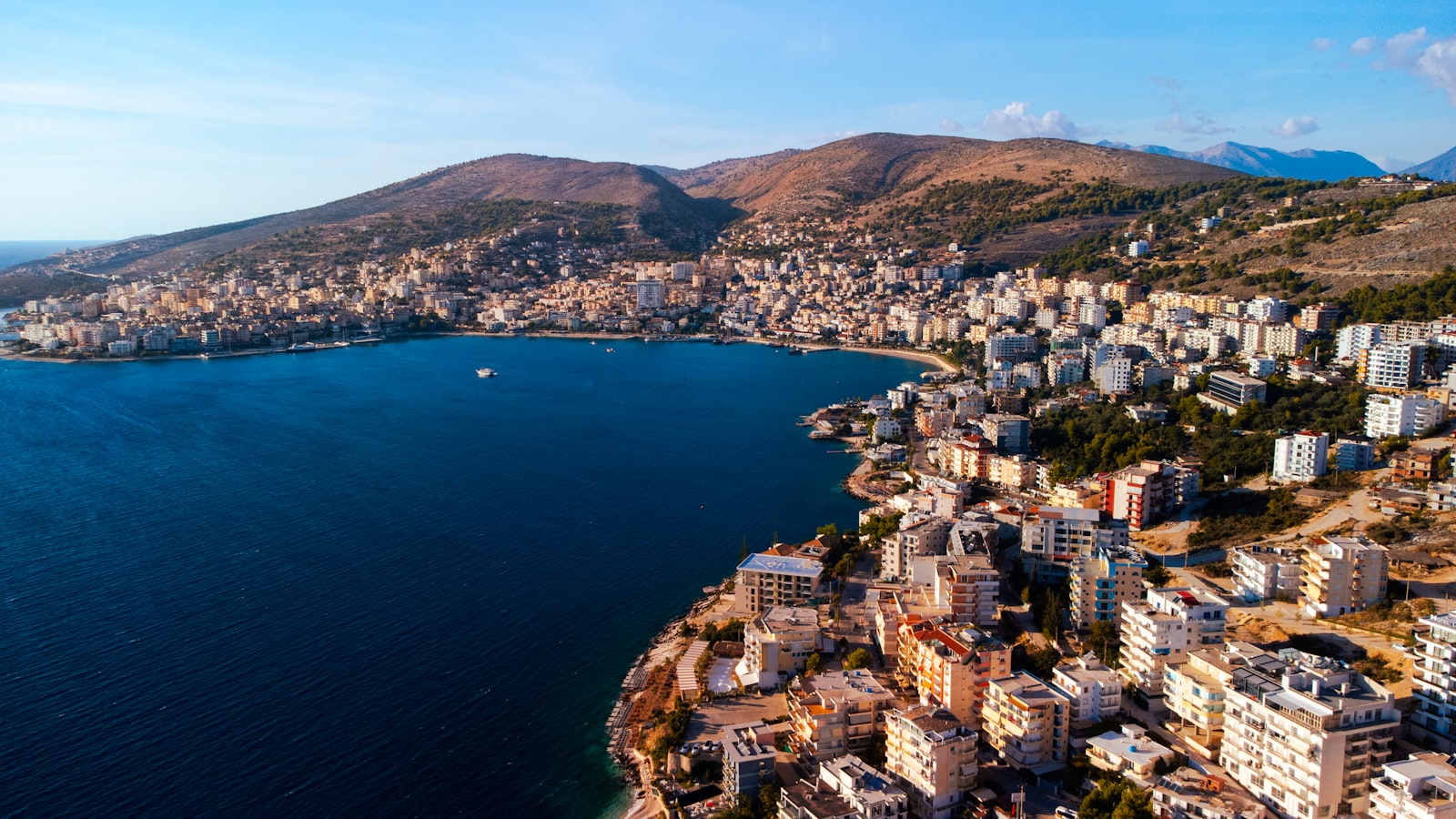
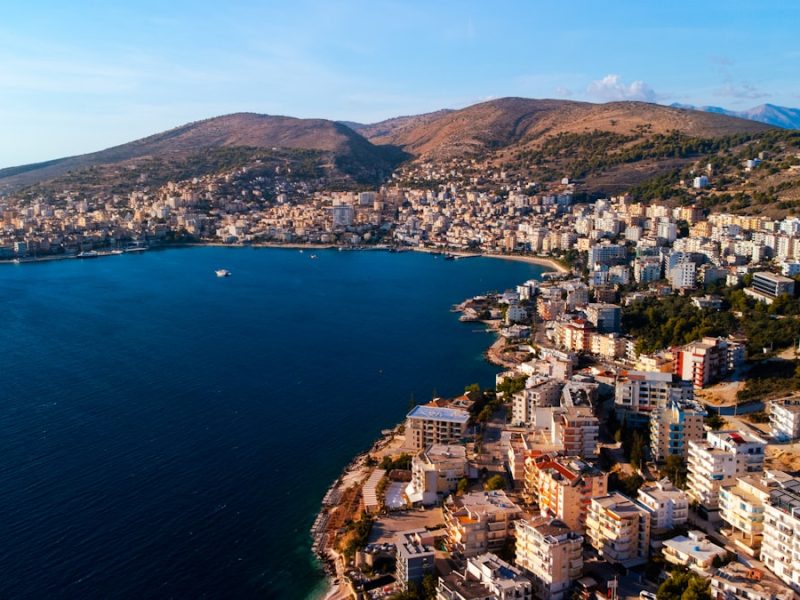
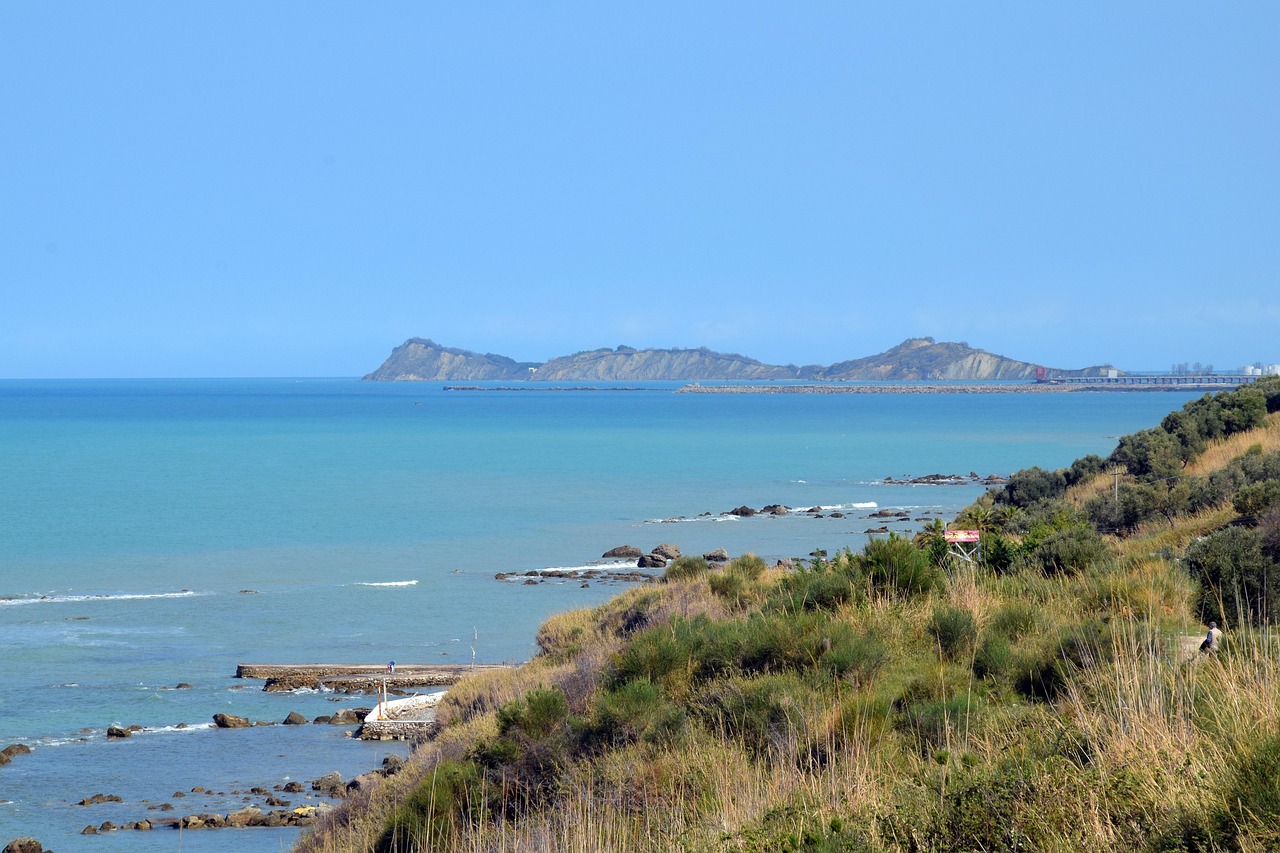
The Ionian city across the strait from Corfu — part Greek island, part Albanian promenade, fully its own place.
Greek colony, Roman way-station, Byzantine monastic centre, Ottoman harbour, Italian protectorate, communist beach resort — and now the busiest tourist port in Albania. Most of the layers are still visible if you know where to look.
Sarandë has been a port for at least 2,500 years. The pre-Roman name was Onhezmi — a Greek-influenced settlement on the Ionian, founded by colonists from Corcyra (Corfu) probably in the 6th century BCE. Under Rome it became Anchiasmos and served as a way-station on the maritime route from Brindisi to the eastern provinces. The current Albanian name is a contraction of "Aghioi Saranta" — the Holy Forty — Greek for the Forty Martyrs of Sebaste, an early Christian community whose monastery just outside the modern town gave Sarandë its identity through the Byzantine and Ottoman periods.
The 5th- and 6th-century Byzantine monastery dedicated to the Forty Holy Martyrs of Sebaste sits on the hillside above the modern town. Its 6th-century synagogue mosaics and Christian floor mosaics survived in remarkable condition because the site was buried for centuries; excavation began in 2003 and the Jewish-then-Christian use of the site has redefined the religious history of southern Albania. The monastery gives Sarandë its modern name; it is one of the most important early-Christian sites on the Adriatic and almost no visitor outside Albanian academia has heard of it.
By the early 19th century Sarandë was a small Ottoman port under the dominion of Ali Pasha of Yanina. Ali Pasha used the harbour for grain trade and built (or restored) the small Lëkurësi Castle on the hill above the town as a watchpoint. British diplomats and travellers — Lord Byron passed through on his 1809 tour — described the bay as one of the great natural harbours of the Ionian. Most of the rocky inland was sparsely inhabited; the population was concentrated on the waterfront and at Butrint a few kilometres south.
Italy occupied Sarandë in April 1939 and renamed it Porto Edda — after Mussolini's daughter — while building it up as the main Adriatic terminal for Italian forces in occupied Albania and Greece. The Italian-built harbour and many of the larger town buildings date from this period. After 1944 Hoxha's regime developed Sarandë as the country's main beach resort for the privileged few — sealed off from foreigners after 1961 except for state-organised tour groups. The wide promenade and the larger hotels along it are part of this Soviet-style beach planning, retrofitted for the post-1991 market.
When borders opened in 1991, Sarandë was the closest Albanian city to free Europe — a 30-minute ferry to Corfu, which had been the unreachable other half of the bay for half a century. The 1990s brought economic chaos, mass emigration to Greece (much of southern Albania's working-age population left), and the 1997 uprising, which began in Vlorë but ran through Sarandë within days. Stability returned slowly through the 2000s. The current city has been substantially rebuilt and is the busiest tourist port in Albania.
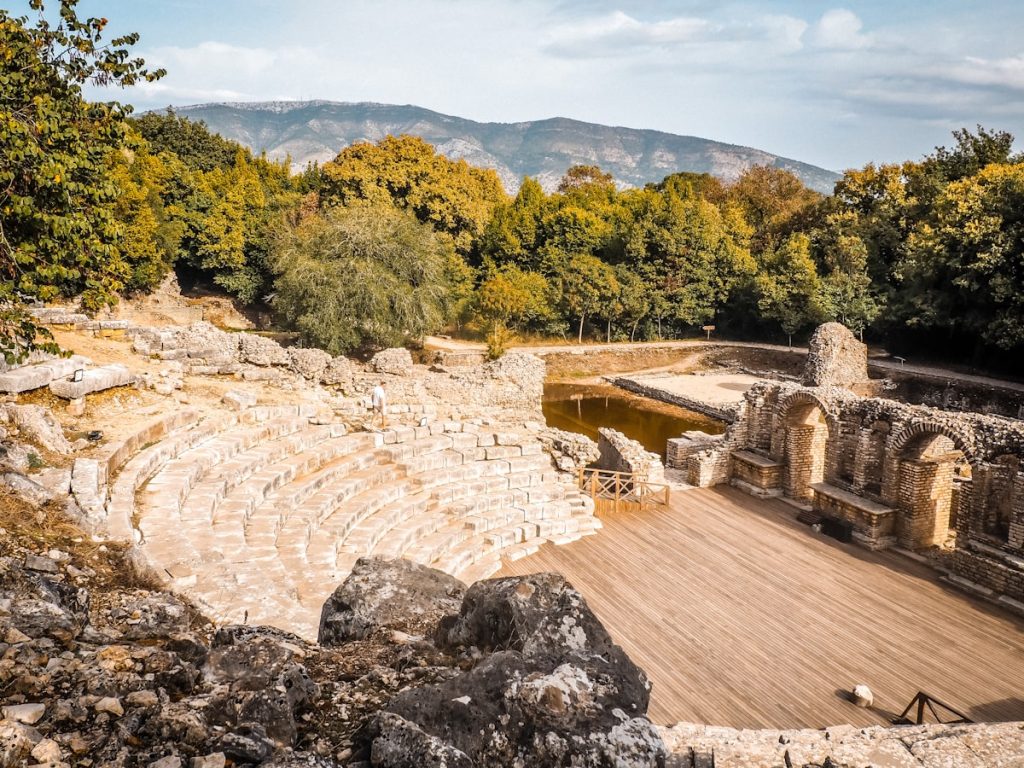
Sarandë is easy to dismiss as a beach-promenade city, but the layers underneath are real. The Forty Martyrs monastery, Lëkurësi Castle, Butrint a few kilometres south, the Italian-era port buildings, the communist promenade, and the ferry to Corfu are all within a half-day. Walk the promenade in the evening; the city's long history of being everyone's stopping point on the way somewhere else is what makes it interesting.
Every empire that ran the Adriatic ran through Sarandë. Half of why the city feels like it does is that none of them left entirely.
Saranda Coast Dental is on our partner list. Many patients pair a treatment trip with the ferry to Corfu or a week on the Riviera — veneers, crowns, and whitening with Greek and English in the chair.
Getting to Sarandë