History & culture
The city that declared a country.
On 28 November 1912, in a modest two-storey house facing the Adriatic, Ismail Qemali and 83 other delegates raised the black double-headed eagle on red and announced that the Albanian people, after 434 years of Ottoman rule, were independent. Vlorë has been carrying that day ever since.
A short timeline
-
6th c BCE
The Greek colony of Aulón is founded on the bay (root of the modern name).
-
229 BCE
Rome takes the city; it becomes a key harbour on the Via Egnatia between Brindisi and Constantinople.
-
1417
Ottoman conquest. Vlorë becomes the empire's main Adriatic naval base.
-
1912 · 28 November
Ismail Qemali declares Albanian independence in a house on what is now Pavarësia Square.
-
1914–1920
Italian occupation. The 1920 Vlorë War sees local fighters expel the Italian army — Albania's first military victory as an independent state.
-
1939–1944
Italian and German occupation. The Vlorë resistance is the largest in southern Albania.
-
1997
The collapse of Albanian pyramid schemes triggers a national uprising that begins in Vlorë and nearly topples the state.
-
2012
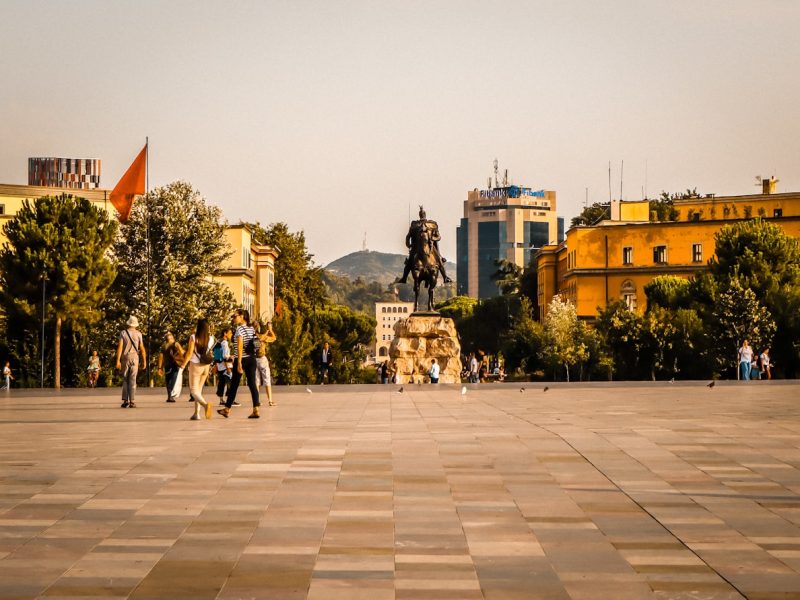
Centenary of independence. The Independence Monument is unveiled and Pavarësia Square is reconstructed.
Ancient Aulón
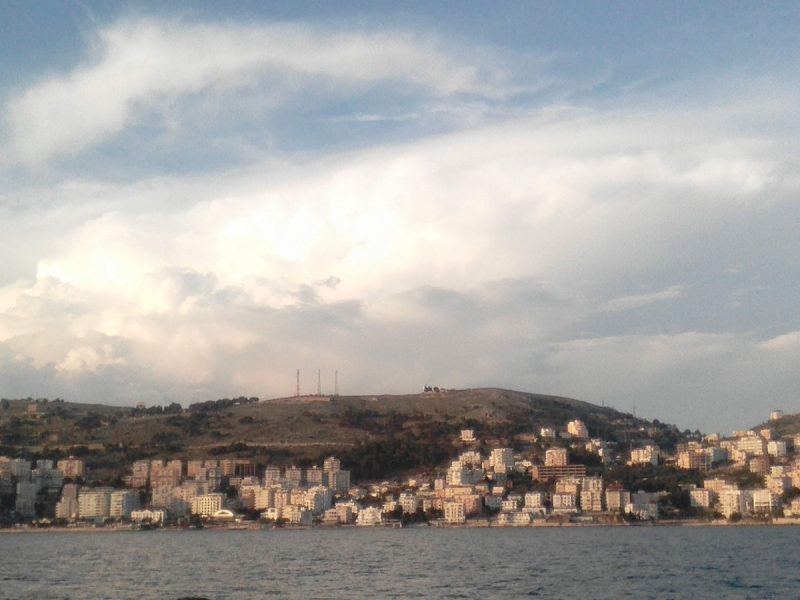
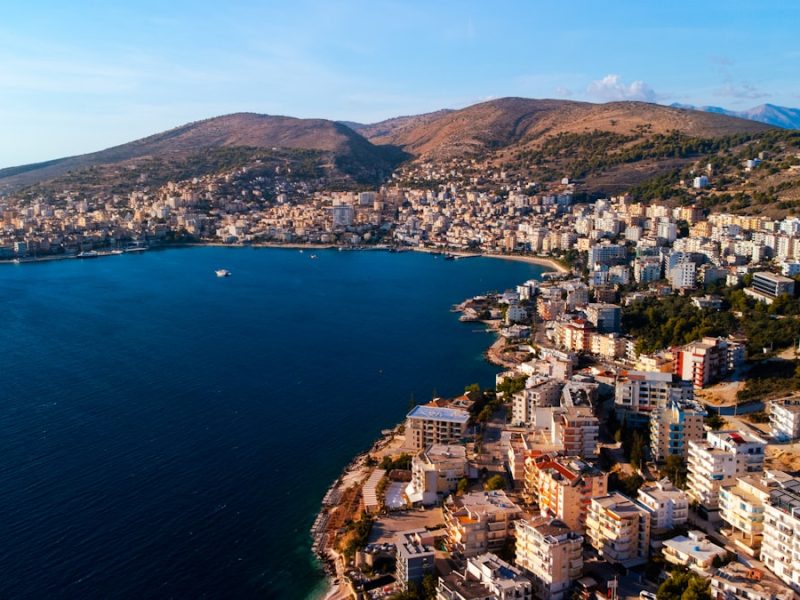
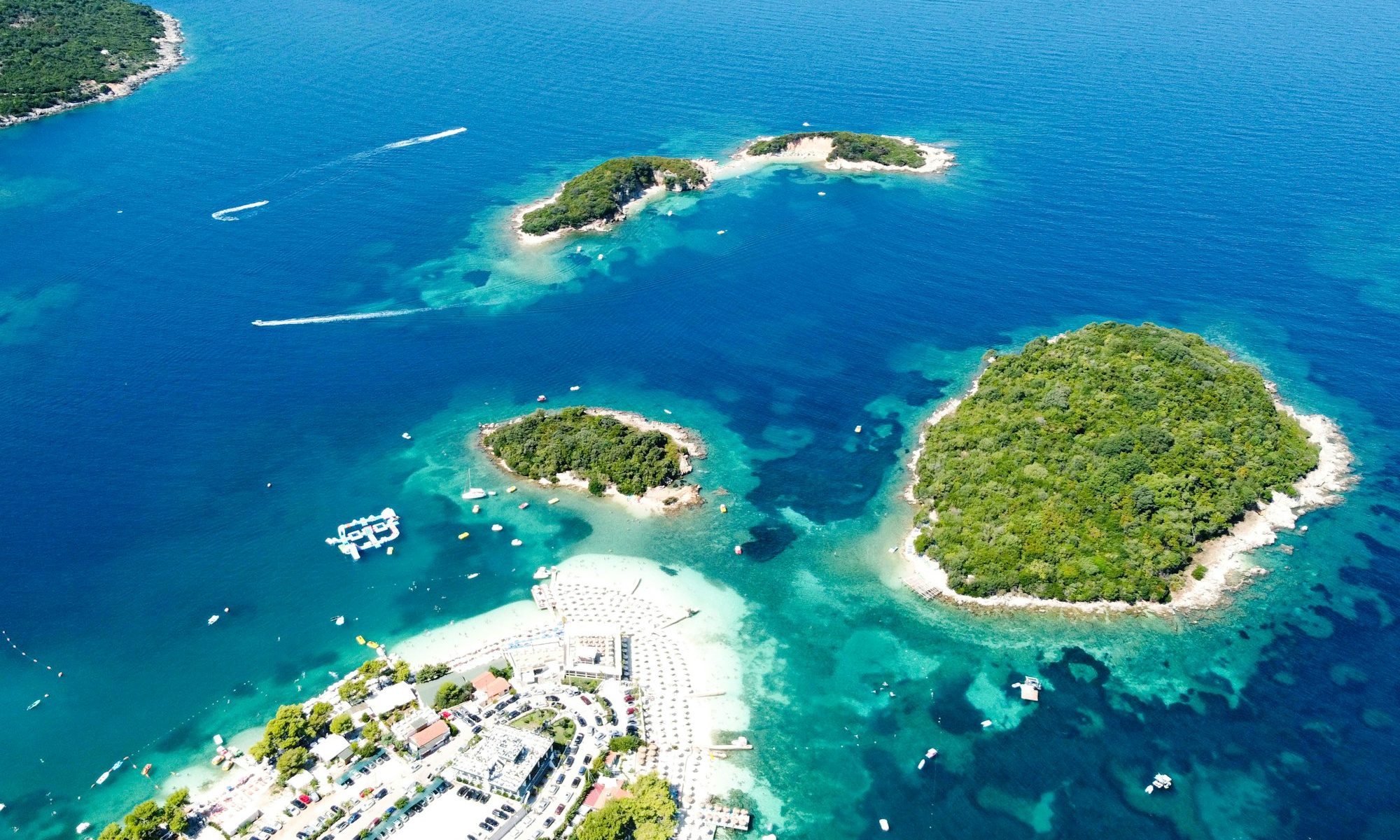
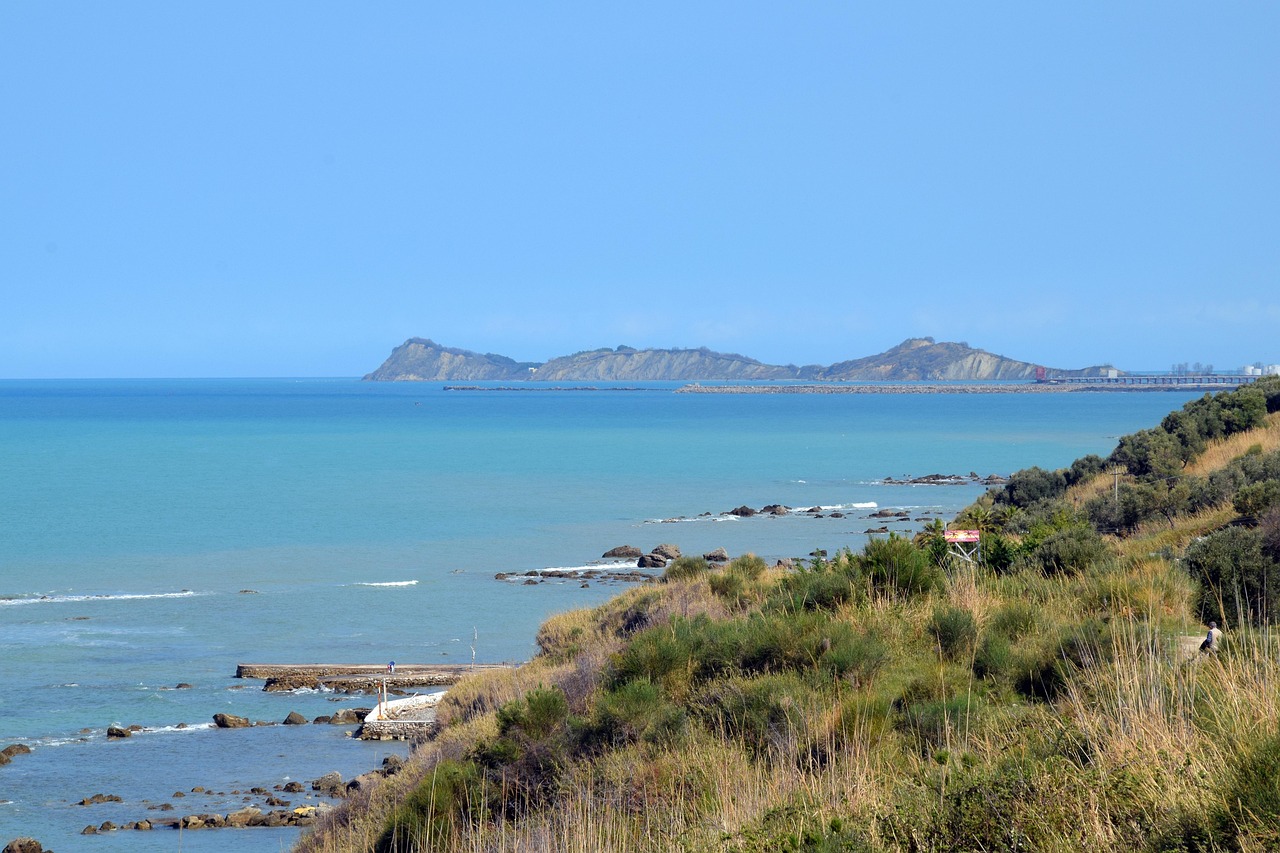
Vlorë's name comes from the 6th-century-BCE Greek colony of Aulón, established on the natural harbour formed by the Karaburun peninsula. Romans called it Aulona; Byzantines kept the name; Ottomans turned it into Avlonya. The position made it strategically valuable to every empire that wanted to control the Adriatic — which is most of them — and the city was destroyed and rebuilt multiple times across two and a half thousand years.
The Ottoman naval base
Under the Ottomans (1417–1912), Vlorë became the empire's western naval anchor on the Adriatic, facing Italy. The Muradiye Mosque (1542), built by the empire's most prolific architect Mimar Sinan, still stands in the old town — one of the few Sinan buildings outside Turkey. Sinan also designed the Hagia Sophia restoration in Istanbul; the Vlorë mosque is small, beautifully proportioned, and almost no foreign visitor finds it.
November 28, 1912
By the autumn of 1912 the Ottoman Empire was losing the First Balkan War, and the Great Powers were already discussing how to partition Albanian territory between Serbia, Greece, and Montenegro. Ismail Qemali, an experienced Ottoman administrator turned Albanian nationalist, called a national assembly in Vlorë on short notice. Eighty-three delegates from across Albanian-speaking lands attended. On 28 November they signed the declaration of independence and raised the flag. Vlorë was chosen because it was the southernmost city not yet under Greek occupation, because the harbour gave delegates an escape route by sea, and because the local Ottoman governor sympathised. The flag they raised was Skanderbeg's — connecting the new state directly to the 15th-century resistance.
The Vlorë War, 1920
After WWI, Italian troops who had occupied Vlorë in 1914 refused to leave. In June 1920, Albanian volunteer fighters from the surrounding mountains besieged the Italian garrison. After three months of guerrilla warfare, the Italians withdrew. It was Albania's first military victory as an independent state and the moment Vlorë's identity as the patriotic capital cemented. The grave of one of the war's commanders, Sali Nivica, is still tended in the town.
The 1997 uprising
The Albanian transition from communism to capitalism was managed badly. By late 1996, more than half the country had invested savings into pyramid schemes that the government allowed and quietly endorsed. When they collapsed in early 1997, Vlorë was the first city to rise — armouries were looted, the state authority collapsed, and the country slid into months of civil violence. International peacekeepers eventually restored order. The episode is uncomfortable national memory; the Vlorë response was both the symptom and the rebellion. Some of the bunkers on the surrounding hills date from then, not from Hoxha's era.
Why it matters today
Vlorë wears its history more openly than Tirana does. The Independence Museum on Pavarësia Square is small and free and worth an hour. The Muradiye Mosque is a five-minute walk. The Kuzum Baba Bektashi shrine on the hill above town gives the best view of the bay and the route Ismail Qemali's delegates would have taken to reach the city. The promenade at sunset is full of three generations of Albanians walking the xhiro. Stay a night.
Other Albanian cities are older. Vlorë is the one that called the country into being.