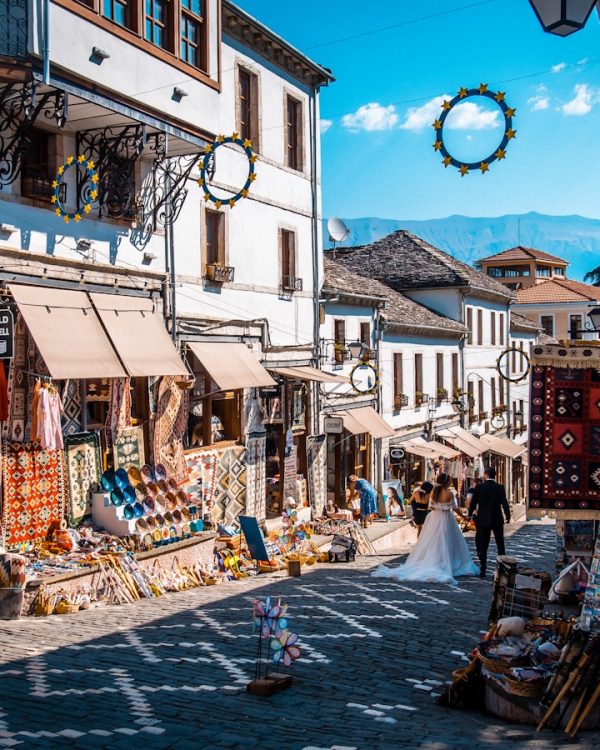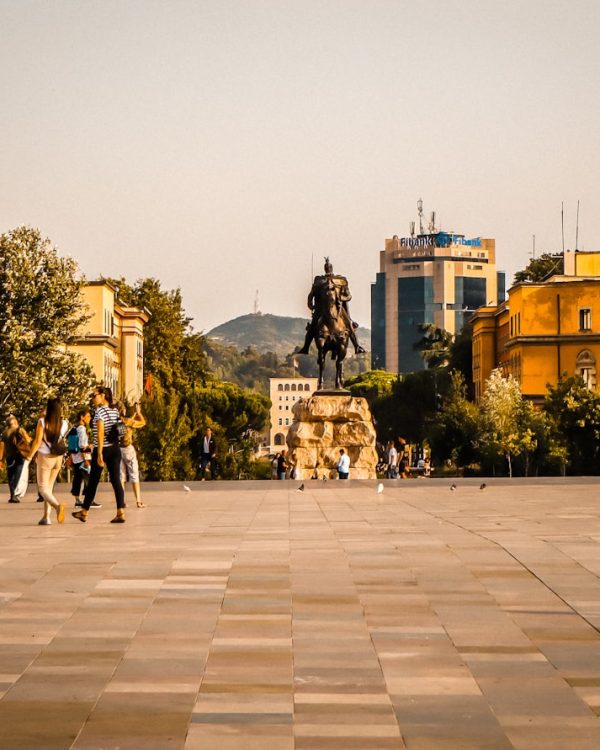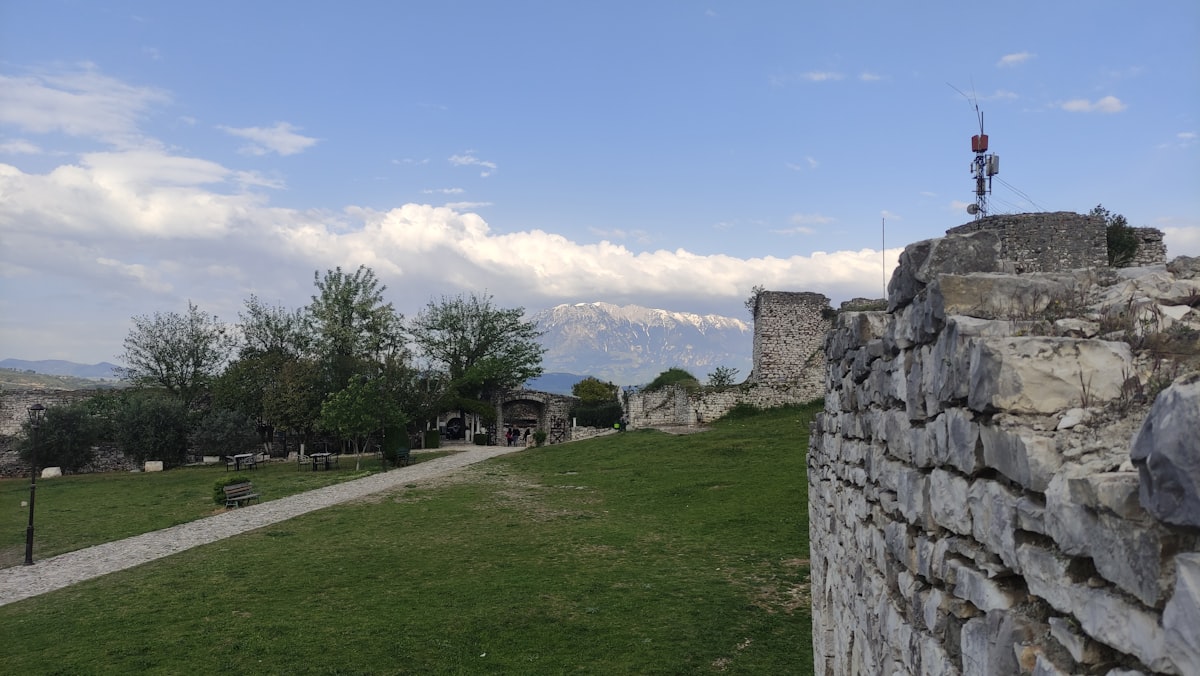
Albania's religious heritage is not one building or one confession. It is a route: Berat for layers, Shkoder for the Catholic north, Tirana for national symbols, Sarande for early Christian and Jewish history, and Vlore for one of the country's most elegant Ottoman mosques.
Why it matters
The country is often described through religious harmony, but the phrase only becomes useful when you see the places. A mosque beside a clock tower, a cathedral reopened after communism, an icon museum inside a castle church, a Bektashi world centre, and synagogue memory in old towns all tell a more precise story.
Where to start
Start in Berat. The castle quarter and lower town hold Orthodox churches, Islamic monuments, Bektashi traces, and Jewish memory within one walkable landscape. The Onufri Museum is the strongest single stop if you want art, faith, and Albanian history in the same room.
The north and the coast
Shkoder explains the Catholic intellectual tradition and the religious rupture under communism. Theth gives the highland church and Kanun context. On the coast, Sarande links to the Forty Martyrs and early Christian archaeology, while Himare and Qeparo show Orthodox village life on the Riviera.
How to travel it respectfully
Treat active worship spaces as living places, not sets. Dress modestly when entering, ask before photographing people, avoid interrupting services, and use a local guide when the story involves communism, Bektashi history, Jewish rescue, or highland customary law.
- Pair Berat with Shkoder if you want the clearest contrast.
- Use Culture as the hub, then open city heritage sections for detail.
- Do not reduce the route to photos of doors, domes, and bells.