Rent a car
Kosovo

Kosovo

Europe's youngest country, packed into a country smaller than Wales. Prizren's Ottoman bridges, Pristina's mid-century optimism, Peja and the Rugova canyon, Decani monastery, Mirusha's waterfalls, Gjakova's old bazaar — five compact days and you have seen the country.

Best time
Apr - Jun, Sep - Oct
Stay
3 days
From Tirana
3h 30m to Prizren
Per day
€45 - €130
About KOSOVO

A natural add-on from northern Albania.

Kosovo is close enough to pair with Albania, but it deserves a clean plan. The strongest first route links Pristina, Prizren, Peja, the Rugova Gorge, and Gjakova instead of treating Kosovo as a border stamp.

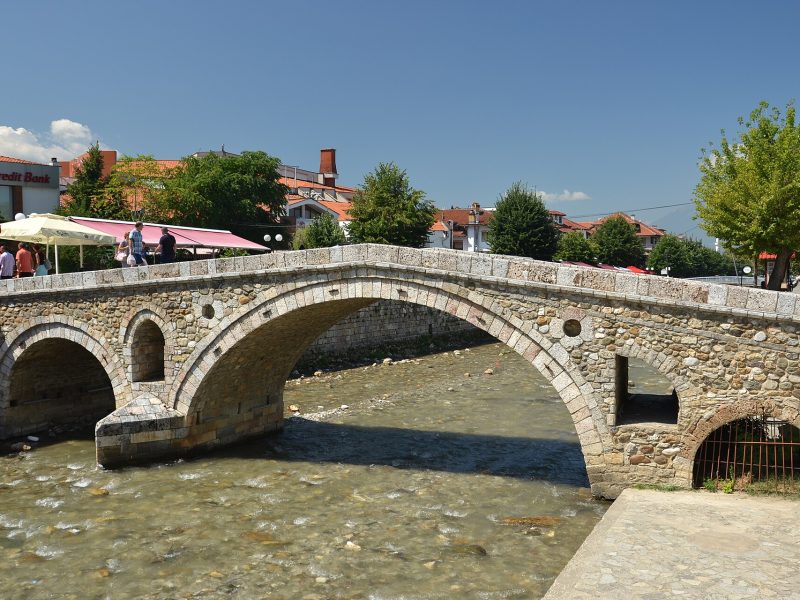
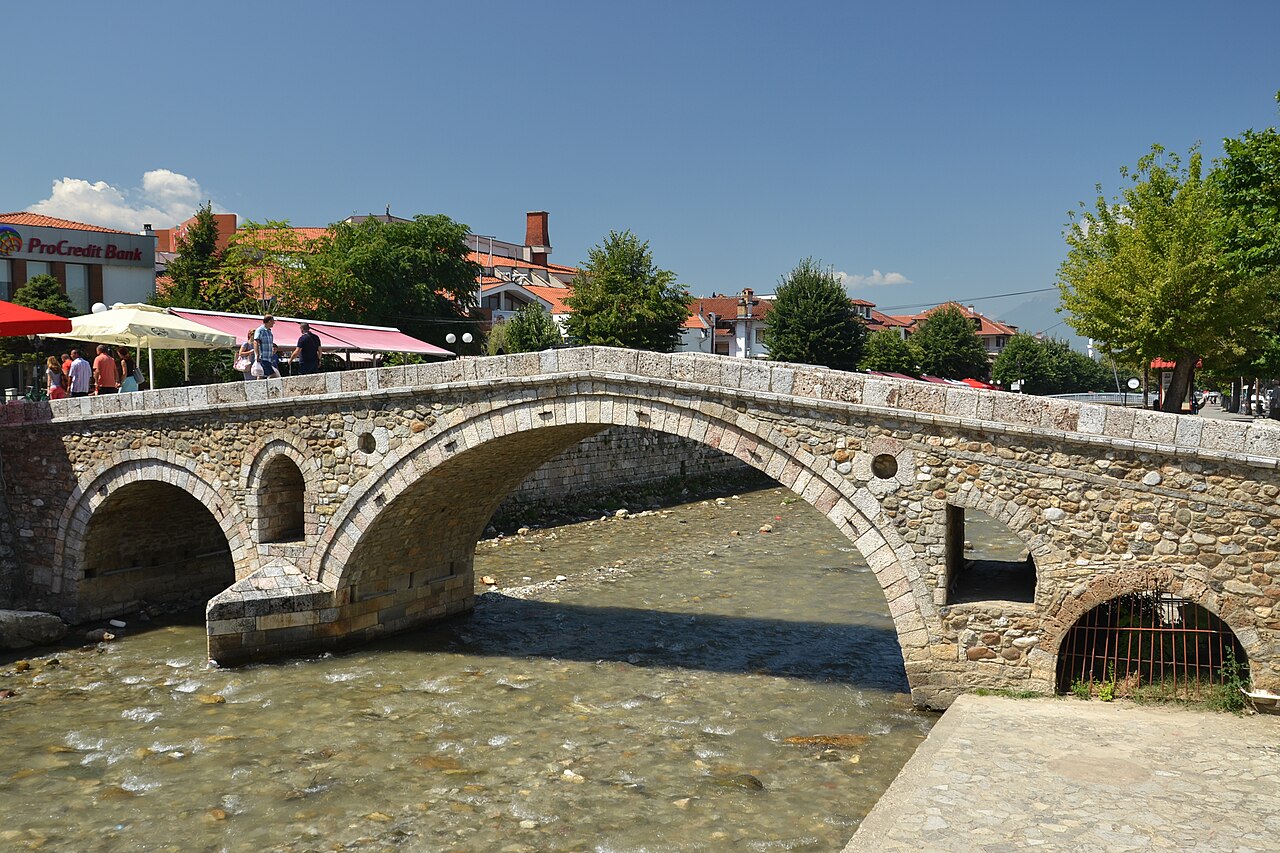
Prizren is the historic anchor. Sinan Pasha mosque, the Stone Bridge, the river quarter where saraçhane and tekkes still face each other across the water, the fortress hike for sunset. The old town is genuinely walkable in a day and the food along the river — qebapa, suxhuk, flija, the local wine — is among the best in the Balkans. Two nights here is right; three is better if you want to drive into the Sharr mountains.

Pristina is younger and more energetic. The Newborn monument and the Kosovo Museum on one side; the Mother Teresa cathedral, the National Library (the famous concrete-grid building), and Skanderbeg Square on the other. Cafe culture is the daily fabric — Soma Book Station, Dit' e Nat', Half & Half — and the food scene leans contemporary alongside the traditional. One full day is enough for the highlights; two if you want to take Mother Teresa Boulevard slowly.

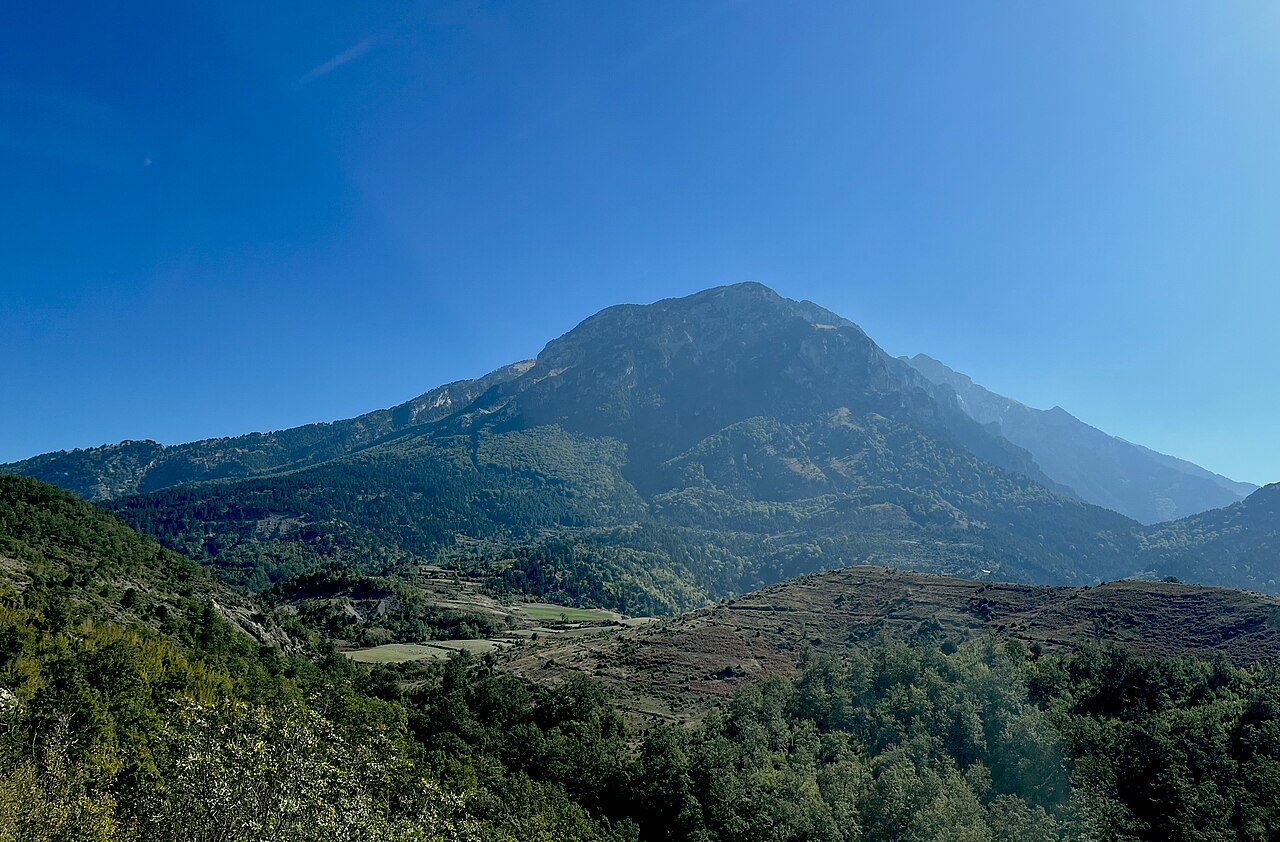
Peja and Rugova bring the mountain edge. The Rugova Gorge cuts west into the Accursed Mountains — a deep limestone canyon with a via-ferrata route, a zip line, short hiking trails, and the Patriarchate of Peja (a UNESCO Serbian Orthodox monastery from the 13th century) at its mouth. From Peja you can also reach Decani Monastery (another UNESCO site, military-protected, a different stripped-back medieval beauty), Mirusha Waterfalls (a series of pools and falls in the central highlands, best on a sunny day), and the Sharr National Park on the Macedonia border for proper alpine days.

Gjakova is the quietest of the four cities and arguably the most beautiful in the evening. The Çarshia e Madhe — the Grand Bazaar — was burned in 1999 and meticulously rebuilt; the tabakhana (tanners' street), the Hadum mosque, the clock tower, the rakija distilleries, and the old houses around them are a slower, more atmospheric counterpoint to Prizren's bustle.

Kosovo uses the euro despite not being in the eurozone. Most prices are 20–30% below Albania for restaurants, the same for stays. Cards work in the cities; cash for the villages and the mountain stops. Border crossings into Albania at Vermicë (south) and Morina (west, near Tropojë) are quick — usually under fifteen minutes — and a few crossings have a separate lane for rental cars carrying a cross-border permit from the agency.

Kosovo route context

Read the place before you move through it.

Kosovo works best as a compact cultural extension from northern Albania, not as an afterthought. Pristina gives the modern capital, Prizren gives Ottoman-era streets and river life below the Sharr Mountains, Peja opens Rugova Gorge, and Gjakova adds one of the strongest bazaar stops in the region.

Related guides Culture hub
Three-day shape
  • Day 1 - Pristina, Newborn, National Library, cafes, and Gracanica if timing allows.
  • Day 2 - Prizren old town, Stone Bridge, Sinan Pasha Mosque, fortress viewpoint, and evening by the river.
  • Day 3 - Peja, Rugova Gorge, Patriarchate area, or Gjakova bazaar depending on season.
Day trips
  • Prizren - cultural capital and old town base.
  • Peja and Rugova - mountain gateway.
  • Gjakova - bazaar, food, and Ottoman-era lanes.
  • Mirusha Waterfalls - nature stop when road timing works.
Local tips
  • Check rental cross-border permission before leaving Albania.
  • Carry passports and green-card insurance documents at the border.
  • Use euros; Kosovo uses the euro in daily travel.
  • Do not cram Pristina, Prizren, Peja, and Gjakova into one day.
History & culture

Europe's youngest country, on its oldest crossroads.

Kosovo declared independence in 2008, became fully UN-listed by 2024, and is still in the process of writing itself a tourism identity. Underneath are layers most countries would build a whole sector around — medieval Serbian monasteries, Ottoman bazaars, the 1389 battle that became Serbian national myth, and the 1998–99 war that ended Yugoslavia. A short trip from Albania, and a different country in every sense.

A short timeline
  • 4th c BCE Dardanian (Illyrian) kingdom centred on what is today central Kosovo.
  • 1389 Battle of Kosovo Polje. Serbian and Albanian forces together fight an Ottoman army; the battle is inconclusive but enters Serbian national myth.
  • 1455 Ottoman conquest. Prizren, Peja, and Pristina become regional Ottoman centres.
  • 1455–1912 Long Ottoman period. Bazaars and mosques in Prizren and Gjakova date from this era.
  • 1912 First Balkan War. Serbia incorporates Kosovo into the Kingdom of Serbia (later Yugoslavia).
  • 1998–1999 Kosovo War. NATO intervention ends Serbian rule; UN administration follows.
  • 2008 Kosovo declares independence. The youngest internationally-recognised state in Europe.
  • 2024 Visa-free travel to the Schengen area finally granted. Kosovo joins major European cultural circuits.

Prizren

Prizren is the most photogenic Kosovo city — an Ottoman old town climbing the hillside below a fortress, the Bistrica river running through the centre, a 16th-century stone bridge connecting the bazaar to the Catholic and Orthodox cathedrals. Both languages (Albanian and Serbian) and three religions (Sunni, Catholic, Orthodox) have been continuously practised here. The DokuFest documentary film festival every August fills the bars and screens films on rooftops; it is one of the better-curated film festivals in the Balkans.

Peja and Rugova

Peja (Serbian: Peć) sits at the entrance to the Rugova Gorge — the deepest canyon in Kosovo and the easiest way into the Accursed Mountains from the eastern side. The 13th-century Patriarchate of Peć, just outside town, is a UNESCO-listed monastery complex that was the medieval seat of the Serbian Orthodox Church. Like several of the Serbian monasteries inside Kosovo, it is on the UNESCO list of World Heritage in Danger — protected by KFOR peacekeepers, and still in active use as a working monastery.

Pristina

Pristina is the capital — small, busy, full of cafés and political graffiti. The architectural highlights are odd: the brutalist National Library (built 1982, considered one of the strangest buildings in the Balkans), the half-built unfinished Cathedral of Saint Mother Teresa, the Newborn monument (a giant N-E-W-B-O-R-N sculpture installed in 2008 and repainted every year). Pristina is the easiest place to understand how a country invents itself from scratch.

Why it matters today

Kosovo is a 90-minute drive from Tirana, sharing 96% Albanian-language population with Albania proper but a fundamentally different recent history. A short trip — Prizren, Peja, Pristina in three or four days — gives a much more complete picture of the region than Albania alone. Border crossings are routine for EU/US/UK passports.

Albanians often say Kosovo is the same country with a different government. Both halves of that are worth taking seriously.

Where to stay in Kosovo

Where to base in Kosovo

Hand-picked stays land here as we visit them.

Coastal road
Rent a car · KOSOVO

You'll want a car.

Kosovo opens up when you can drive — to the coves, the villages, the mountain restaurant that doesn't take bookings. Pick up at the airport, drop off in another city.

See cars & prices →
Where to eat

Where to eat in Kosovo

Restaurant recommendations land here once we have eaten there.

Things to do

Places to go and see.

Tours & activities

Bookable routes from Kosovo.

All tours
Getting to Kosovo

How to connect Albania and Kosovo.

On the map

Everything, pinned.

Nearby destinations

If Kosovo is your base.

Frequently asked

The questions travellers actually ask.

Do I need a different visa for Kosovo?
No, in most cases. Kosovo accepts the same visa-free schedule as Albania for EU/UK/US/Canadian/Australian/most Western passports — 90 days on entry. Schengen-only passports may need a Kosovo entry stamp; check with your nearest Kosovo embassy two weeks before travelling.
Can I take a rental car from Albania into Kosovo?
Yes, with a cross-border permit from the rental agency (€30–80, arranged before pickup). Most Albanian rental agencies issue these for Kosovo + Montenegro + North Macedonia as a package. Ask before booking; not every supplier participates. Keep the permit on the dashboard at the crossing.
How long do I need for Kosovo?
Three full days is the comfortable minimum — Pristina (1 day), Prizren (1 day + sunset on the fortress), and Peja with the Rugova Gorge (1 day). Five days lets you add Gjakova, Decani Monastery, Mirusha Waterfalls, and a Sharr Mountain day from Brezovica.
Is the food different from Albania?
Same family, different dialect. Tave, byrek, fli, raki, qebapa, sausages, lamb — all present, all good. Kosovo leans heavier on Turkish-origin sweets (baklava, sutlijash, kanafeh) and has a stronger coffee culture. The wine in Rahovec rivals the best in Albania.
Which border crossing is easiest from Albania?
Vermicë (Morinë in Kosovo) is the main crossing on the Kukës–Prizren route and runs 24/7. Morina, further north near Tropojë, is the route for Bajram Curri ↔ Gjakova. Both are usually 10–15 minute waits; allow 30 in July/August or on Friday afternoons when the diaspora cross in volume.
Is it safe?
Yes. Kosovo has the lowest violent-crime rate in the Western Balkans and a heavy NATO/EU peacekeeping presence is still visible in the north, but the south (where most travellers go) is calmer than most European capitals. Standard urban precautions for Pristina; nothing more demanding.
Can I use euros?
Yes — Kosovo uses the euro as its de facto currency despite being outside the eurozone. Cards work in cities. ATMs are everywhere. Cash for the small mountain villages and Peja's smaller cafés.
Should I visit the Serbian Orthodox monasteries?
Yes if medieval art interests you. Decani (a UNESCO site, 14th-century frescoes considered some of the best surviving Byzantine art in Europe), the Patriarchate of Peja, and Gracanica near Pristina are all open to visitors with appropriate dress (covered shoulders and knees). Decani has a KFOR military presence — expect a passport check at the gate. Photography rules vary.
Stay connected in Kosovo
Order an Albanian e-SIM before you arrive. Activate on landing — no shop visit required.
Get e-SIM